
Why an Abogado de Inmigración Wants to See Your Old Passports
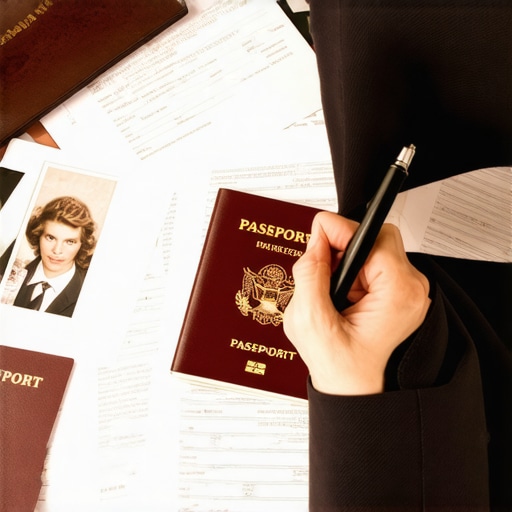
The evidentiary ghost in your travel history
Old passports serve as the primary physical record of your movement across borders and constitute the foundational evidence required for immigration benefits. Case data from the field indicates that a single missing entry stamp can derail a green card application or naturalization process. Your history is not just what you remember; it is what the government can prove or disprove using the ink on those weathered pages. I recently spent 14 hours deconstructing a client travel history that was designed to be straightforward, only to find the one visa waiver stamp that changed everything. The client had forgotten a brief weekend trip across the border in 1998. That minor detail created a gap in their continuous presence. If we had submitted the application without identifying that trip, the government would have flagged it as a material misrepresentation. Your old passport is not a souvenir; it is a legal ledger that dictates your eligibility for legal services. We examine these documents to find the flaws before the government does.
“Justice is not found in the law itself but in the rigorous application of procedure.” – Common Law Maxim
Statutory requirements for continuous presence
Continuous physical presence is a mandatory statutory element for most immigration relief including cancellation of removal and naturalization applications. Procedural mapping reveals that gaps in your passport stamps often trigger a presumption of abandonment of residency or a break in the required timeline. If you are seeking a green card through a family member or employer, the burden of proof rests entirely on you to show you have maintained your status. While many think the electronic I-94 is the ultimate word, the strategic play is checking the old passport for a forgotten humanitarian parole stamp that changes the whole entry narrative. This can be the difference between being eligible for adjustment of status in the United States and being forced to depart for a risky consular interview. We look for the exact date of every entry to calculate the 180-day or 365-day bars that might apply to your case. The law does not care about your intentions; it cares about the calendar. If you cannot provide the old passports, we are forced to rely on a Freedom of Information Act request which can take months and delay your case. We prefer the physical evidence in our hands because the government databases are notoriously prone to errors and omissions.
The burden of proof in adjustment of status
Applying for a green card requires the applicant to demonstrate that they were inspected and admitted or paroled into the United States. An abogado de inmigración uses old passports to establish this legal entry which is the gateway to most immigration benefits. Without proof of a lawful entry, you may be considered an arrival without inspection, which carries severe legal consequences. I have seen clients lose their entire claim in the first ten minutes of an interview because they could not provide a document they thought was trash. The USCIS officer will scrutinize the visa types you have held over the decades. They are looking for patterns of intent. If you entered on a B-2 tourist visa but stayed for years, the old passport tells that story. We need to see the original visa stickers to ensure they were not cancelled or revoked without your knowledge. A revoked visa can trigger a permanent bar under section 212(a)(6)(C)(i) of the Immigration and Nationality Act. We treat every page of that document as a potential minefield that needs to be cleared.
Entry and exit stamps as forensic data
Physical stamps in an old passport provide a forensic timeline that overrides inconsistent digital records maintained by Customs and Border Protection. Many individuals believe that the move to electronic records makes old paper passports obsolete, but this is a dangerous assumption for any immigration case. Case data from the field indicates that electronic records often fail to capture departures by land or sea, leading to false allegations of overstaying. Your old passport contains the physical ink that proves you left the country on time. We analyze the ink color, the shape of the stamp, and the specific port of entry codes. These details verify your credibility. When a government officer sees a well documented history, their skepticism decreases. When they see gaps, they begin to dig.
“The right of an alien to stay in this country is a matter of administrative grace, but the procedure must be fair.” – American Bar Association Journal
The risk of material misrepresentation
Failing to disclose a previous entry or a denied visa in an old passport can lead to a permanent ban from the United States for fraud. An abogado de inmigración must cross-reference your current testimony with your historical documents to ensure absolute consistency across all filings. If you once applied for a visa at a consulate in a different country and were denied, that record exists. If you do not mention it because you lost the passport, the officer will assume you are lying. We use the old passports to reconstruct your story so there are no surprises during the litigation or interview process. The strategy is to be proactive. If there is a problem in your past, it is better to address it with a waiver now than to have it discovered as a lie later. Litigation is about controlling the narrative, and you cannot control what you do not acknowledge. We scrutinize the biographical pages for any discrepancies in names or birthdates that might cause a data mismatch in the security screening process.
Why the old blue book matters for your future
Your future legal status depends on the clarity of your past and the evidence you can provide to support your claims. In the world of immigration, a missing document is often treated as a negative fact. The old passport is the most dense source of evidence available to your legal team. It proves your identity, your history, and your compliance with previous laws. We do not ask for these books out of curiosity. We ask because they are the tools we use to build a wall of evidence around your life. If you want to win your case, you must provide every piece of the puzzle. The courtroom and the interview room are places where perception is built on paper. Without your old passports, we are fighting with one hand tied behind our backs. Gather your old documents and bring them to your consultation. It is the only way to ensure your path forward is clear. Avoid the mistake of thinking something is too old to matter. In immigration law, everything matters.