
How Your Social Media Posts Can Deny Your Tourist Visa
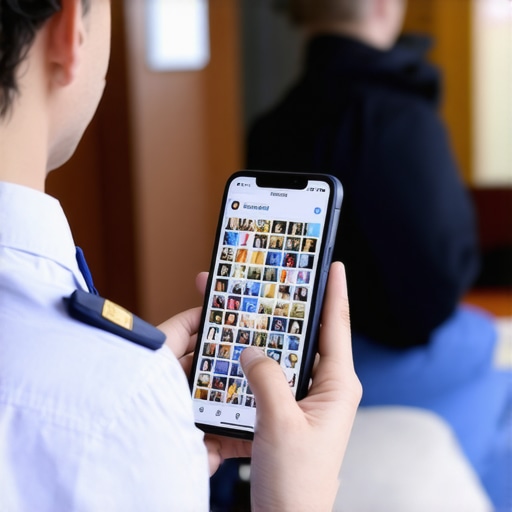
I walk into my office. The air carries the sharp scent of ozone from the high-speed laser printers and the crisp edge of a winter mint. My client sits across from me, his hands trembling as he holds a crumpled Form OF-194. This is the official notice of visa refusal. He does not understand why. He has a stable job, a home, and no criminal record. I look him in the eye and tell him the truth before I even open his file. His visa is dead because of a single post on his public profile. I recently spent 14 hours deconstructing a digital history that was designed to be a personal diary, only to find the one photograph that changed everything. It was a photo of him at a friend’s office in Chicago two years ago with a caption that joked about his new job. To a Consular Officer, that is not a joke. It is a confession of unauthorized labor. This is the reality of modern legal services in the immigration sector. Your social media is not a private playground. It is an evidentiary record that the abogado de inmigración must defend with the same rigor as a criminal trial.
The invisible examiner behind your smartphone screen
Immigration attorneys and consular officers now treat social media handles as sworn evidence during the B1/B2 visa adjudication process. Under Section 214(b) of the Immigration and Nationality Act, every applicant is presumed to be an intending immigrant until they prove otherwise. Your digital footprint often provides the counter-evidence that triggers a permanent refusal. The Department of State now requires nearly all applicants to list their social media identifiers from the previous five years. This is not a suggestion. It is a mandatory disclosure. If you omit a handle, you are committing material misrepresentation. This is a permanent bar to entry. I have seen cases where a simple LinkedIn update announcing a promotion to a remote role was interpreted as intent to work illegally while on a tourist visa. The immigration system is not designed to be fair; it is designed to be a filter. If you do not understand the sieve, you will be caught in the mesh.
Why your vacation photos look like intent to work
Non-immigrant intent requires you to prove that your stay is temporary and that you possess compelling ties to your home country. When an immigration attorney reviews a case, they look for the digital bleed that suggests a life being built elsewhere. A photo of you looking at apartments in Brooklyn or a post asking for recommendations for schools in Los Angeles is lethal. These are not innocent inquiries in the eyes of the law. They are indicators of preconceived intent. I tell my clients that their phone is a 24-hour surveillance device they have voluntarily agreed to carry. The legal services we provide often involve a forensic audit of every image posted since 2019. We look for the gaps. We look for the contradictions.
“Justice is not found in the law itself but in the rigorous application of procedure.” – Common Law Maxim
The procedure here is the Foreign Affairs Manual (FAM). Specifically, 9 FAM 402.2, which dictates the standards for B visas. If your digital life suggests you are a digital nomad, you are a high-risk candidate. You are not a tourist. You are an economic migrant in the eyes of the state.
The algorithm that hates your hashtags
Social media monitoring is no longer just a manual task performed by a bored officer. It is an automated screening process. The Department of Homeland Security utilizes algorithmic triggers to flag certain keywords and geotags. While most immigration consultants tell you to set your profiles to private, the strategic play is often different. A suddenly locked profile right before an interview is a red flag. It suggests you have something to hide. It triggers a more intensive secondary inspection. Case data from the field indicates that transparency, managed through expert legal counsel, is the only path to visa issuance. We often see the visa denial based on Section 212(a)(6)(C)(i), which is fraud or willful misrepresentation. If you post about a protest you attended or an political organization you support, you may be crossing into the territory of inadmissibility based on security grounds. The law does not care about your right to free speech. It cares about the national interest of the host country.
The trap inside the DS 160 form
Material misrepresentation is the ghost that haunts every visa application. When you sign that form, you are swearing under penalty of perjury. If you provide a handle but have deleted the posts that would have disqualified you, the cache remains. Government agencies have access to archival tools that see through the delete button. I once watched a client lose their entire claim because they thought a deleted post from 2021 was gone. It was not. It was sitting in a government database, ready to be used as a rebuttal. The abogado de inmigración must be a forensic psychologist as much as a lawyer. We must anticipate the interrogation.
“A lawyer’s duty of competence includes understanding the risks and benefits of relevant technology.” – American Bar Association Model Rule 1.1
This duty extends to the immigration attorney who must explain that a tourist visa is a privilege, not a right. The procedural mapping of a consular interview shows that the officer has roughly 120 seconds to decide your future. They will not spend those seconds looking for reasons to approve you. They will spend them looking for one reason to deny you. Your social media usually provides that reason on a silver platter.
What the defense does not want you to ask
Consular non-reviewability is the most brutal truth in this jurisdiction. You cannot appeal a tourist visa denial. There is no judge. There is no jury. There is only the consular officer and their absolute discretion. This is why legal services must be proactive. Once the refusal is in the system, it is a permanent stain. The contrarian data point here is that your LinkedIn profile is often more dangerous than your Instagram. Your professional history on LinkedIn must match your visa application exactly. Any discrepancy in dates, titles, or locations is automatic grounds for a fraud investigation. We zoom into the procedural reality of the administrative processing (the dreaded Section 221(g)). This is where your case goes to die in a bureaucratic black hole while they wait for inter-agency checks on your digital background. Silence is your best friend during the deposition of a border crossing, but your digital footprints never stop talking. The final strategy is not about deleting your past. It is about curating a future that matches the statutory requirements of the law. If you cannot do that, you should not be applying. The immigration game is won or lost before you ever reach the consulate gates.