
Why Your Naturalization Application Requires Every Ticket You Ever Received
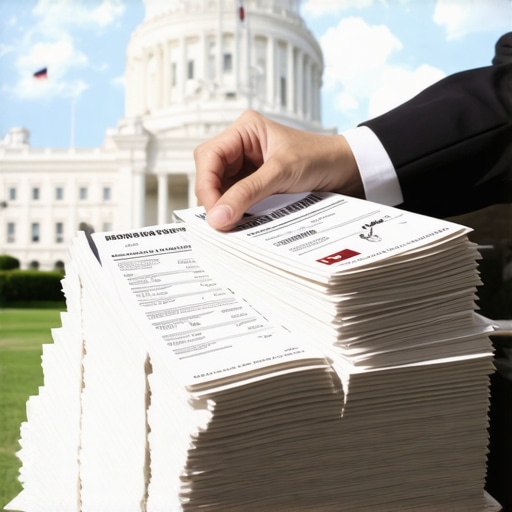
The room smells like strong black coffee and old paper. You are sitting across from me, and you just told me you have a clean record. You are lying. Or worse, you are ignorant. I watched a client lose their entire claim in the first ten minutes of a deposition because they ignored one simple rule about silence and disclosure. They thought a speeding ticket from 2018 did not matter. They were wrong. In the world of immigration, a single undisclosed ticket is a thread. Pull it, and the whole sweater of your residency comes apart. This is not about the ticket. This is about the lie. Every immigration attorney knows that the United States Citizenship and Immigration Services, or USCIS, values the consistency of your story more than the perfection of your driving record. If you are seeking naturalization, you are under a microscope. Every citation, every detention, and every encounter with law enforcement is a data point in your administrative record. If you forget one, you are not just a bad driver; you are a person who lacks good moral character. That is the legal standard that will break you if you are not careful.
The trap inside the N400 form
Naturalization applicants must realize that Form N-400 specifically asks if you have ever been cited by a law enforcement officer. This includes every traffic ticket, even if it was dismissed or stayed off your record. Failing to disclose these citations can lead to a denial of your citizenship application. The question on the form is expansive. It does not ask for arrests. It asks for citations. A citation is a legal command. When a police officer hands you a yellow slip of paper on the side of the highway, you have been cited. You are now part of the judicial system. Many people believe that if they went to traffic school or if the points never hit their license, the event vanished. In the eyes of an abogado de inmigración, nothing ever vanishes. The federal government has access to databases that your local DMV might not even show you. They see the initial stop. They see the incident report. If the officer asked for your identification and issued a fine, it must be on that form. There is no room for interpretation here. Silence is a confession of fraud.
“Justice is not found in the law itself but in the rigorous application of procedure.” – Common Law Maxim
While most lawyers tell you to sue immediately or file as fast as possible, the strategic play is often a delayed filing to ensure your record is pristine or that enough time has passed to mitigate a pattern of minor offenses. This is information gain that most applicants miss. They rush. They fail. You need to understand that the burden of proof is on you, the applicant. You are the one who must prove you are worthy of being a citizen. The government does not have to prove you are a criminal; they only have to show that you were not truthful. A single speeding ticket is a nuisance. A hidden speeding ticket is a disaster. I have seen the USCIS officer sit in silence, waiting for the applicant to mention the ticket they found in the background check. When the applicant says ‘no’ to the question about citations, the officer marks a box. That box says the applicant is not credible. Once you lose credibility, the interview is over, even if you do not know it yet.
The legal definition of good moral character
Good moral character is a statutory requirement for naturalization under 8 CFR 316.10. It does not require a person to be perfect, but it does require them to be honest about their criminal history and civil citations. The USCIS officer evaluates this over a five year period or three years for certain spouses. This term, Good Moral Character or GMC, is the most flexible and dangerous tool in the government’s arsenal. It is not defined by what you are, but often by what you are not. You are not a habitual drunkard. You are not a gambler. You are not a person who lies to gain immigration benefits. The problem arises when a pattern of traffic tickets suggests a ‘disregard for the law.’ If you have ten tickets in three years, the officer can argue that you do not respect the laws of the United States. This is a discretionary call. An immigration attorney will tell you that discretion is where cases go to die. We want to remove discretion by providing so much evidence of compliance that the officer has no choice but to approve the case. We document the ticket, we document the payment of the fine, and we document the disclosure.
Why disclosure trumps the severity of the offense
Naturalization success depends on the complete disclosure of all legal encounters. Whether it is a parking ticket that went to collections or a moving violation, the immigration services department requires a full administrative record. Honest mistakes on Form N-400 are often viewed as willful misrepresentation by skeptical officers. The logic is simple. If you hide something small, what else are you hiding? The law allows for a ‘petty offense exception’ in certain criminal contexts, but there is no ‘forgetfulness exception’ for the N-400. I once spent 14 hours deconstructing a client’s history because they ‘forgot’ a reckless driving charge from a decade ago. They thought it was too old. The government’s memory is eternal. When you sign that application, you are swearing under penalty of perjury that every word is true. If you omit a ticket, you have committed perjury. This is the leverage the government uses. They do not want to deport you for speeding; they want to deny you for lying about the speeding. It is a procedural trap designed to filter out those who do not respect the administrative process.
“The applicant bears the burden of establishing good moral character for the relevant period preceding the filing of the application.” – American Bar Association Immigration Guide
[image_placeholder_1]
How an immigration attorney navigates the paper trail
Legal services provided by an experienced abogado de inmigración involve a forensic review of your driving record and criminal history. We pull certified court records and police reports to ensure the N-400 application is 100 percent accurate. This prevents procedural delays during the naturalization interview. We do not trust your memory. Memory is subjective and fades under the heat of a high-stakes interview. We look for the exact phrasing of the disposition. Was it a ‘guilty’ plea? Was it ‘nolo contendere’? Was the adjudication withheld? These words have specific meanings in immigration law that differ from state law. For example, a ‘dismissed’ case in a local court might still count as a ‘conviction’ for immigration purposes if you admitted to facts sufficient to find guilt. This is the microscopic reality of the law. You need someone who speaks this language of evidence. We look at the statutory zooming of the case, checking if the specific ordinance you violated involves ‘moral turpitude.’ Most traffic tickets do not, but why take the risk of an officer making that determination without a fight?
The danger of the administrative record
Immigration law relies heavily on the administrative record, which is a permanent file containing every visa application, entry record, and citation. During naturalization, the USCIS will compare your current N-400 answers against every previous document you have ever submitted. Discrepancies are a major red flag. If you mentioned a ticket on your green card application but forgot it on your citizenship application, you have created a conflict. The officer will ask you to explain the conflict. If your explanation is ‘I forgot,’ you have already lost. The officer’s job is to find a reason to say no. Your job, and my job, is to make it impossible for them to do so. We provide the certified records of the tickets before they even ask. We show the receipts. We show the court printouts. We turn a potential point of failure into a demonstration of radical honesty. This is how you win at the high-stakes chess game of litigation. You control the narrative by being the one who provides the truth first. Never let the government discover a fact you should have disclosed.
The path to citizenship requires absolute transparency
Naturalization is the final step in the immigration journey, and it requires a level of transparency that most people find uncomfortable. From traffic violations to tax filings, the immigration attorney must review every aspect of your legal life. This rigorous process ensures that your citizenship is built on a solid legal foundation. Do not listen to friends who say ‘I didn’t list my tickets and I got my citizenship.’ They were lucky. Luck is not a strategy. Luck is what people rely on when they cannot afford a real defense. In this office, we rely on evidence. We rely on the meticulous preparation of the file. We rely on the fact that we know more about your history than the officer does. When you walk into that interview room, you should have no fear because there are no secrets left to find. Every ticket, every fine, and every citation is already on the table. That is the only way to ensure the door to citizenship stays open. If you want to be a citizen, you must follow the rules of the road and the rules of the law. There is no middle ground.