
Why Your Online Presence is Scrutinized During the Visa Process
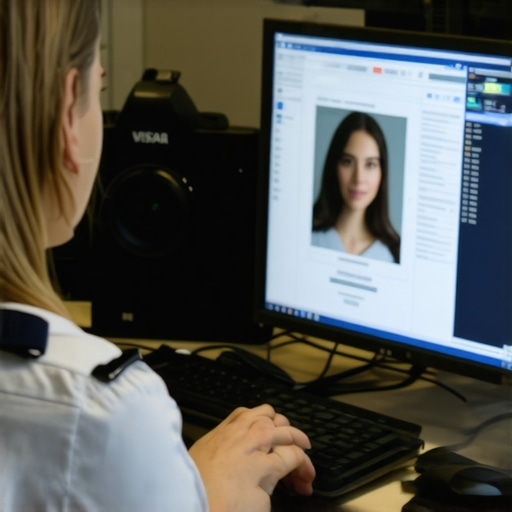
I watched a client lose their entire claim in the first ten minutes of a visa interview because they ignored one simple rule about silence. This individual, a highly skilled engineer seeking an O-1 visa, had everything perfect on paper. Their credentials were impeccable. Their legal services were top-tier. Yet, they sat in that small cubicle at the consulate and watched as the officer pulled up a printout of a social media post from 2017. The post was a joke about working for a friend’s startup while on a tourist visa. It took thirty seconds for the officer to find it and five minutes to issue a permanent bar for material misrepresentation. The client smelled like panic. I smelled the bitter black coffee I had drank while warning them this would happen. You do not win an immigration case by being smart; you win it by being invisible where it matters and loud where the law requires. Most people treat their online life as a playground. The Department of State treats it as a sworn affidavit.
The digital footprint as material evidence
Your online presence is scrutinized during the visa process because it serves as an unofficial, unedited record of your intent, affiliations, and conduct that often contradicts the formal statements in your application. Consular officers use this data to verify your eligibility under the Immigration and Nationality Act. This investigative process is not a casual search; it is a systematic review of your social media handles, professional profiles, and public mentions over a five-year look-back period. When you hire an immigration attorney, the first task is often a forensic audit of these platforms. The government is looking for inconsistencies in employment history, signs of unauthorized labor, or affiliations that suggest you are a threat to national security. A single photo at a protest or a LinkedIn update that predates your work authorization can trigger a 212(a)(6)(C)(i) charge, which is a life sentence in the world of immigration.
“Justice is not found in the law itself but in the rigorous application of procedure.” – Common Law Maxim
The mechanics of consular data mining
The Department of State utilizes automated tools and manual review processes to aggregate data from platforms like Facebook, X, and LinkedIn to build a profile of your character. This data mining focuses on identifying non-immigrant intent violations and potential security risks defined by federal statutes. The software used by these agencies is designed to flag keywords related to restricted technologies, political unrest, or intent to remain in the United States permanently. While many applicants believe that setting a profile to private provides a shield, the reality is far more clinical. Government agencies have access to historical data caches and interagency databases where your information may have been indexed long before you changed your settings. If an abogado de inmigración tells you that your digital trail is cold, they are likely lying to get your retainer. The trail is never cold; it is simply waiting for the right query to be activated.
Why privacy settings offer zero protection
Privacy settings on social media platforms do not prevent federal investigators from accessing your data through third-party aggregators, cached records, or mutual connection vulnerabilities. The federal government often views a sudden increase in privacy restrictions as a sign of deceptive intent during the vetting process. Data from the field indicates that a locked profile often invites deeper scrutiny. If the officer cannot see your public face, they will look at your digital surroundings. They will look at what your friends post about you. They will look at the groups you belong to. The strategic play is not to hide, but to curate. A total deletion of accounts right before an interview is a red flag that screams of spoliation of evidence. Instead of a blank slate, the officer wants to see a consistent narrative that matches your DS-160. Anything else is a procedural nightmare that even the best legal services will struggle to untangle.
“Effective advocacy requires a thorough understanding of the digital evidence that now defines the modern administrative record.” – American Bar Association
The fatal flaw of the delete button
Deleting problematic social media posts before a visa interview is often interpreted as an attempt to conceal material facts, leading to a finding of fraud or lack of candor. Federal algorithms often detect gaps in metadata and timeline inconsistencies that suggest a deliberate sanitization of the record. While most lawyers tell you to scrub your accounts immediately, the strategic play is often the delayed explanation or the context-building approach. If you delete a post, you are betting that the government hasn’t already scraped it. That is a losing bet. Procedural mapping reveals that the Department of Homeland Security maintains robust archives. When the Immigration attorney confronts a denial based on a deleted post, the defense is much harder because the act of deletion proves the applicant knew the content was damaging. This consciousness of guilt is more toxic to a case than the original post itself.
How an immigration attorney navigates the algorithm
An experienced attorney navigates the visa vetting algorithm by conducting a pre-emptive digital discovery process to identify and mitigate potential triggers before the application is submitted. This involves legal analysis of your digital presence against the specific grounds of inadmissibility. This is not about making you look like a saint; it is about ensuring you do not look like a liar. We look at the exact phrasing of your professional summaries. We examine the timing of your check-ins at specific locations. Every piece of data is a potential deposition question. If you are applying for a tourist visa but your Instagram is filled with photos of you looking for apartments in New York, you have already lost. The abogado de inmigración must then build a rebuttal before the question is even asked, creating a paper trail that explains the context of those images in a way that aligns with your legal status. It is a game of forensic psychology where the prize is your entry into the country.
The granular reality of the DS-160 disclosure
The DS-160 form specifically requires the disclosure of all social media identifiers used within the last five years, making any omission a potential ground for a permanent visa ban. This disclosure requirement transforms your private digital life into a public government record subject to perjury laws. Many applicants try to play games by claiming they forgot their handles. The officers have heard it all. They know how to find you. When they find an undisclosed handle, the interview ends. There is no debate. There is no appeal. You are simply handed a 221(g) or a 212(a)(6)(C)(i) and shown the door. The process is cold and clinical. It does not care about your feelings or your dreams. It cares about the data. The only way to survive this level of scrutiny is to treat your digital presence with the same level of discipline that a trial attorney uses when preparing a witness for the stand. Every word is a trap. Every photo is a piece of evidence. Every like is an admission. If you cannot defend it, do not post it.