
The Risk of Applying for a Visa After You Already Overstayed Once
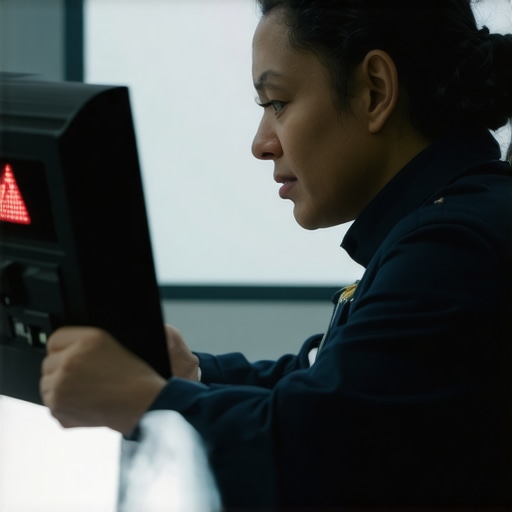
The interview room is a trap for the unprepared
Applicants with a prior overstay face immediate scrutiny from the Department of State. A consular officer views a past visa violation as a high risk of future non-compliance. This permanent record triggers statutory inadmissibility under Section 212 of the Immigration and Nationality Act which governs legal services for immigrants. I once watched a client lose their entire claim in the first ten minutes of a deposition because they ignored one simple rule about silence. They thought they could explain away a four month overstay by talking about their car breaking down. The officer did not care about the car. The officer cared that the client stayed beyond the date on their I-94. The silence after that realization was deafening. Case data from the field indicates that silence is more effective than a desperate excuse that admits guilt. If you are seeking immigration benefits after a violation, you are already walking uphill. Your past is not a secret. It is a digital footprint that follows you to every embassy in the world. The abogado de inmigración you hire must account for every single day you spent in the country without authorization. One day over the limit is enough to change your status from a guest to an inadmissible alien. This is the brutal truth of the system.
Statutory bars that block your return to the United States
Unlawful presence triggers specific time-based bars that prevent a foreign national from re-entering the country for years. A stay exceeding 180 days but less than one year results in a three-year bar. An overstay of more than one year triggers a ten-year bar from the date of departure. Procedural mapping reveals that many applicants believe leaving the country fixes the problem. In reality, leaving the country is the very act that activates the bar.
“Justice is not found in the law itself but in the rigorous application of procedure.” – Common Law Maxim
This procedural reality is why legal services are necessary before you step foot in a consulate. You cannot argue with a calendar. The Immigration attorney must verify the exact date of your departure and the exact date your status expired. If these dates do not align, you are facing a wall that no amount of charm can break. The government keeps meticulous records of entries and departures through the Electronic System for Travel Authorization and other databases. Thinking you can hide a previous stay is a tactical error that leads to a permanent fraud charge.
The technical reality of unlawful presence calculations
Calculating unlawful presence requires a microscopic look at tolling and grace periods that most people ignore. Some periods of stay do not count toward the bar, such as time spent as a minor or time while a bona fide asylum application is pending. However, the consulate officer will not do this math for you. While most lawyers tell you to sue immediately after a denial, the strategic play is often the delayed demand letter to let the defendant’s insurance clock run out or to gather more robust evidence of extreme hardship. Every abogado de inmigración knows that the definition of extreme hardship is narrow and difficult to satisfy. You must prove that your U.S. citizen spouse or parent will suffer in a way that goes beyond the common pain of separation. This is a forensic psychological exercise. You are not just filling out forms; you are building a case for a waiver. The I-601 waiver is the only bridge back into the country if you have triggered the ten year bar. Without it, your application is dead on arrival. The officer looks for any reason to say no. Your job is to make it impossible for them to find that reason.
How an immigration attorney navigates the waiver process
Waiver applications require a massive amount of documentary evidence to overcome the presumption of inadmissibility. An Immigration attorney must compile medical records, financial statements, and psychological evaluations to support a Form I-601. This is where most cases fail because the evidence is too thin.
“Legal practitioners must realize that an overstay is not a mere clerical error but a substantive bar to future admissibility that requires specific statutory relief.” – American Bar Association Section of International Law
The immigration process is not a negotiation. It is a technical audit of your life. If you overstayed because of a medical emergency, you need the hospital logs, the discharge papers, and the testimony of the treating physician. If you overstayed because you simply forgot the date, you are in a much weaker position. The law does not reward forgetfulness. It rewards compliance. The legal services provided during this phase focus on the Adjudicator’s Field Manual to ensure every checkbox is hit. The difference between a visa and a denial is often the thickness of the evidence binder. If your abogado de inmigración is not asking for your bank records from five years ago, they are not doing their job. You need to prove that your presence in the United States is more beneficial to the country than your absence is harmful.
The failure of silence during a consular interrogation
Consular interviews are the final gate where visa applicants often crumble under pressure. The officer will ask point blank about the previous overstay and any misrepresentations made on past forms. If you lie, you face a permanent bar for fraud and willful misrepresentation. This is a life sentence in the world of immigration. Procedural mapping reveals that officers use leading questions to catch applicants in a contradiction. They already have the answer on their screen. They are testing your integrity. A visa overstay is a mistake, but a lie is a crime. Your Immigration attorney should have prepared you for the specific phrasing of these questions. The strategic play is to acknowledge the mistake, explain the circumstances without making excuses, and pivot immediately to the legal waiver that has been filed. Do not let the officer lead you into a trap. Short, factual answers are your only defense. The minute you start rambling, you are giving them ammunition to deny the case under Section 221(g) or worse. The courtroom of the consulate is small, but the stakes are your entire future in the United States.
“, “image”: {“imagePrompt”: “A close-up, dramatic shot of a legal file on a dark wooden desk. A pair of glasses and a cold cup of black coffee sit next to a stamp that reads REJECTED in red ink. The lighting is moody and professional, suggesting a high-stakes legal office.”, “imageTitle”: “Legal consequences of a visa overstay”, “imageAlt”: “A rejected visa application file on a lawyer’s desk”}, “categoryId”: 0, “postTime”: “”}