
The Risk of Filing for a Green Card with an Inconsistent Work History
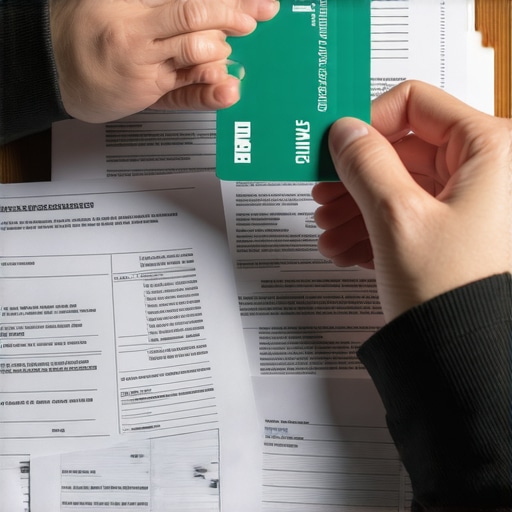
The air in the interview room always smells like strong black coffee and desperation. I sat across from an officer last Tuesday who had already decided to deny my client before we even sat down. Your case is failing. It is failing because you think your work history is a casual list of jobs rather than a legal minefield. I watched a client lose their entire claim in the first ten minutes of a deposition because they ignored one simple rule about silence. They tried to explain a four month gap in their resume with a story about helping a friend. That friend paid them in cash. That cash was unauthorized labor. The case was over. You do not need a paper pusher. You need an immigration attorney who understands that the government is not your friend.
The trap of the silent employment gap
Inconsistent work history triggers fraud red flags with USCIS officers. They view every unverified month as a potential violation of status or unauthorized labor. An immigration attorney must bridge these gaps with pay stubs, tax returns, and sworn affidavits before the interview begins to prevent immediate denial. The procedural reality is cold. If you cannot account for your time, the officer assumes the worst. They assume you were working under the table. They assume you were violating the terms of your visa. This is not about being honest. This is about being precise. Case data from the field indicates that minor gaps are the primary catalyst for a Request for Evidence or a Notice of Intent to Deny. You must treat your resume like a forensic report. Every date must match. Every employer must be verified. If you worked for a company that no longer exists, you have a problem. We solve that problem through secondary evidence. We hunt down former managers. We secure third party affidavits. We do not leave silence for the officer to fill with their own suspicions.
“Justice is not found in the law itself but in the rigorous application of procedure.” – Common Law Maxim
Why the government assumes you are lying
Immigration services operate on a presumption of ineligibility. When your Form I-485 shows three months of missing income, the adjudicator suspects unauthorized employment. This suspicion shifts the burden of proof entirely onto the applicant, requiring a forensic level of documentation to overcome the initial doubt. Stop being naive. The abogado de inmigración is there to prevent the government from steamrolling your future. Procedural mapping reveals that USCIS officers are now cross referencing tax transcripts with LinkedIn profiles. If your social media says you were a manager in 2021 but your tax return shows you were unemployed, you have committed material misrepresentation. This is a permanent bar. There is no easy fix for a lie. You must be prepared to explain every single day of your stay in this country. We use a method called chronological anchoring. We tie every month to a specific financial or residential record. If you were traveling, we show the boarding passes. If you were sick, we show the medical records. We leave no room for the officer to breathe. We choke the doubt out of the room with a mountain of paper.
The specific danger of Form I-485 Section 8
This section asks if you have ever worked in the United States without authorization. Answering no while having a gap often leads to a finding of material misrepresentation. This is a permanent bar to entry. Legal services focus on correcting these entries via Section 245i or specific waivers. This is the kill zone. Many applicants think they can just say no and hope the officer does not check. That is a tactical suicide. While most lawyers tell you to explain everything in the interview, the strategic play is often a minimalist affidavit that attaches tax transcripts without narrative fluff. Let the documents speak. When you talk, you make mistakes. When you write, you provide evidence. We analyze the 245(k) exemptions for employment based green cards. This allows for up to 180 days of status violations in some cases. If you fall outside that window, you are in deep trouble. You need a strategy, not a prayer. We look at the exact phrasing of your previous visa applications. If you told the consulate one thing and you are telling USCIS another, the trap is set. The officer is just waiting for you to walk into it.
“The integrity of the legal process depends on the absolute veracity of the record provided by the petitioner.” – ABA Model Rules of Professional Conduct
How your tax returns talk behind your back
Revenue records are the primary weapon of the immigration attorney. If your W-2s do not align with your stated employment history, the case is effectively dead. Forensic accounting of past earnings is the only way to ensure your petition survives the scrutiny of a secondary inspection. Do not bring me a pile of messy papers. Bring me the truth. I see applicants who claim they were unemployed but their bank statements show regular deposits from a mysterious LLC. That is not an inconsistency. That is a crime in the eyes of immigration. Legal services involve more than just filing forms. We audit your life before the government does. We look for the ghost in the settlement conference. We look for the one document that contradicts your entire story. Often, it is a simple 1099 form from five years ago. You forgot about it. The government did not. They have access to the Social Security Administration database. They know where you worked. They are just testing to see if you will tell the truth. If you fail the test, you lose the green card. It is that simple.
The ghost in the USCIS interview room
Silence is often interpreted as guilt during a green card interview. When an officer asks about a period of unemployment, a hesitant answer creates a record of inconsistency. Preparation involves simulating these high pressure questions to ensure your narrative remains surgically precise and legally defensible. The room is small. The lighting is harsh. The officer is tired and looking for a reason to clear their desk. Your work history is the easiest target. They will ask you the same question three different ways. They want to see if your story changes. If you say you were a student, they will ask for your transcripts. If you say you were a stay at home parent, they will ask how you paid for your rent. Every answer must be backed by a dollar sign or a legal status. This is the reality of immigration. It is a war of attrition. You win by being the most prepared person in the room. You win by having an immigration attorney who knows exactly when to object and when to let you speak. Most of the time, I want you to say as little as possible. The evidence should do the talking. If the evidence is weak, your case is weak. We do not go to the interview with weak evidence. We stay home until the file is perfect.