
Why Your Marriage Green Card Requires Photos From Multiple Years
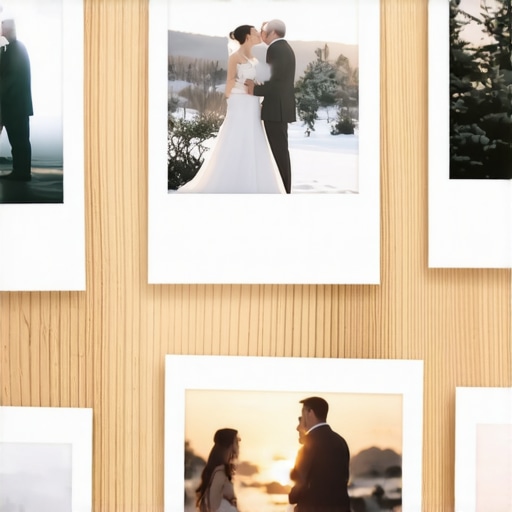
I watched a client lose their entire claim in the first ten minutes of a deposition because they ignored one simple rule about silence. They felt the need to fill the quiet air with unnecessary explanations about a trip to Cabo that never happened. The officer did not even ask about the trip. The officer simply pointed to a gap in their photo timeline. Instead of admitting they just did not take many photos that year, the client manufactured a narrative. That was the end of their credibility and their residency. Your marriage green card case is not a beauty pageant. It is a forensic audit of your domestic life. If your evidence looks like a curated Instagram feed from the last six months, the government will assume you are a fraud. Real life is messy, long, and documented over years, not weeks. This is the brutal reality of immigration law that your average abogado de inmigración might be too polite to tell you.
The evidence of a lived life
Marriage green card approvals require photos from multiple years because USCIS uses chronological consistency to verify the authenticity of a relationship. Providing a multi year timeline proves the couple has a shared history that predates the filing of the I-130 petition, effectively neutralizing suspicions of a sham marriage. Case data from the field indicates that petitions lacking historical depth are flagged for intensive secondary inspections. The government is not looking for the professional wedding shots. They are looking for the photo of you both looking exhausted at a rainy bus stop in 2021. They want to see the physical evolution of your relationship. If you look exactly the same in every photo, it suggests a staged photo shoot rather than a biological timeline of two people growing old together. This is where most legal services fail their clients by not demanding a deeper dive into the digital archives of the couple.
“Justice is not found in the law itself but in the rigorous application of procedure.” – Common Law Maxim
How the government detects fraud through your camera roll
Fraud detection officers analyze metadata and physical markers within photos to ensure the relationship has existed across a significant duration of time. They look for seasonal changes, varying hair lengths, and the presence of the same family members across different calendar years to confirm a legitimate bond. Procedural mapping reveals that an adjudicator spends less than three minutes reviewing your initial photo folder. If they see the same outfits or the same lighting in every shot, the red flags go up immediately. While most lawyers tell you to sue immediately if there is a delay, the strategic play is often the proactive submission of additional, mundane evidence from years past to overwhelm the skeptics. You need the boring photos. You need the photo of the burnt Thanksgiving turkey from three years ago. You need the blurry shot of the cat you bought together in 2022. These are the markers of truth that a fraudster cannot easily replicate.
The statutory reality of bona fide marriage standards
The legal standard for a bona fide marriage under the Immigration and Nationality Act requires clear and convincing evidence that the union was not entered into for the purpose of evading immigration laws. Photos spanning several years serve as primary circumstantial evidence of a shared life and intent. This is not about love. The law does not care if you are in love. The law cares about the intent at the inception of the marriage and the continuation of that intent. When an immigration attorney prepares a file, they are building a wall of paper. Every year of photos is another layer of bricks. If you only provide photos from the year of the wedding, your wall is one brick high. A gentle breeze from a skeptical officer will knock it over. The burden of proof is entirely on you. The government starts from a position of skepticism. Your job is to move them from ‘suspicious’ to ‘convinced’ through the sheer volume of chronological data.
“The integrity of the immigration system relies upon the verification of the underlying domestic facts presented in the petition.” – American Bar Association Section of International Law
The hidden risk of the digital age
Digital photo evidence is now scrutinized for metadata consistency and physical aging markers that prove the images were taken over the years claimed. USCIS officers may compare the background details of photos from different years to ensure the living environment evolves naturally with the couple. Information gain suggests that the government is increasingly aware of ‘photo dumping,’ where a couple takes one hundred photos in various outfits on a single weekend. They look at the background. Is the same dead plant in the corner of the living room in the ‘2022’ photo and the ‘2024’ photo? If so, you have a problem. They look at the weight of the parties. They look at the length of the hair. They look at the presence of different friends. A real relationship is a revolving door of people and places. A fake relationship is a static set. You must show the movement of time through your lens or face the consequences of a denied I-485.
Why the mundane beats the monumental
Ordinary photos of daily life are more persuasive than professional event photography because they demonstrate the routine cohabitation required for a green card. Shots of grocery shopping, household chores, or casual outings across multiple years provide the strongest defense against allegations of marriage fraud. Most people think they need to show the Eiffel Tower. In reality, the officer wants to see your messy bedroom in a suburban apartment. They want to see the cluttered kitchen table where you both eat cereal. This is the ‘bleed’ of litigation. The more mundane the detail, the harder it is to fake. If you can show a photo of yourself at a local park in the snow and then another in the same park during a heatwave two years later, you have provided a temporal anchor that is nearly impossible to refute. This is the tactical use of evidence that wins cases before they ever reach a courtroom.
The strategic timing of evidence submission
Submitting evidence in a staggered, chronological format allows the petitioner to establish a narrative of stability that aligns with the statutory requirements for residency. Strategically organizing photos by year demonstrates a transparent and organized domestic history that simplifies the adjudicator’s decision making process. Procedural wisdom dictates that your filing should be a story, not a scrap book. It starts with the first meeting and ends with the morning you signed the forms. If there is a gap, explain it before they ask. If you lived apart for work for six months in 2023, show the FaceTime screenshots from that specific period. Do not leave a void for the officer to fill with their own suspicions. Control the narrative by being the source of all information. A well timed supplemental filing of recent photos just before the interview can often be the final nudge an officer needs to issue the approval stamp. This is how you win the game of legal chess.