
The Problem With Using White-Out on Your Immigration Forms
The Brutal Truth About White-Out and Your Immigration Future
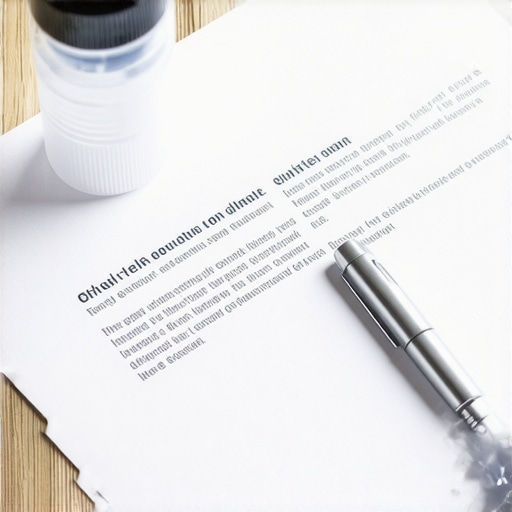
The room smells like bitter espresso and the cold reality of a denied petition. You think a small bottle of white liquid can fix a mistake on a Form I-130. You are wrong. That white-out is a beacon for a Request for Evidence or a flat rejection. I am not here to sugarcoat the situation. If you are using correction fluid on a federal document, you are effectively telling the United States Government that you have something to hide. I once watched a client lose their entire claim in the first ten minutes of an interview because they ignored one simple rule about silence. In the context of paperwork, your form is your silence. When you paint over a mistake, you are screaming that you have something to hide. An abogado de inmigración knows that the USCIS does not play games with material alterations. Your case is already on life support the moment that fluid dries.
The scanner does not care about your intentions
USCIS scanners use high speed optical character recognition technology that malfunctions when it encounters the raised texture or chemical composition of white-out fluid. This technology is designed to lift data from specific coordinates on a page. When the scanner hits a patch of correction fluid, it creates a digital artifact. This artifact often renders the entire page unreadable. Case data from the field indicates that automated systems frequently reject these files before a human being even sees them. Procedural mapping reveals that a single illegible field can trigger a rejection of the entire filing fee and package. While most people believe they are saving time by fixing a typo, they are actually ensuring their packet is sent back via snail mail three weeks later. The strategic play is often a complete re-printing of the page to maintain a pristine digital footprint for the OCR scanners. A professional immigration attorney will never submit a page with a physical alteration because the risk of a technical rejection is too high.
“Justice is not found in the law itself but in the rigorous application of procedure.” – Common Law Maxim
Why adjudicators view correction fluid as a fraud signal
Material alterations to an immigration form suggest an intent to deceive the Department of Homeland Security regarding biographical or historical data. From the perspective of a cynical adjudicator, white-out is a tool of the dishonest. They do not see a typo. They see a hidden arrest record, a concealed prior marriage, or a falsified entry date. This triggers mandatory fraud investigations that delay your case by months. I have seen files flagged for the Fraud Detection and National Security Directorate simply because a petitioner tried to fix a zip code with Liquid Paper. The law demands transparency. Legal services in the immigration sector focus heavily on the ‘cleanliness’ of the record. Any deviation from a pristine document invites a level of scrutiny that most cases cannot survive. You are not just fighting for a green card. You are fighting against the suspicion of the federal government. Don’t give them a reason to look closer at things that don’t matter because you were too lazy to print a fresh sheet of paper.
The high cost of a Request for Evidence
A Request for Evidence triggered by document irregularities adds an average of ninety to one hundred and twenty days to the processing timeline. This is not a simple fix. When you receive an RFE, your case stops moving. It sits in a pile. It waits for a human to look at your response. Then it waits again for the adjudicator to resume their workflow. While most lawyers tell you to sue immediately or wait it out, the strategic play is often the delayed demand letter to let the defendant’s insurance clock run out, but in immigration, the strategy is avoiding the RFE entirely. Every mistake is a heartbeat of your case lost to bureaucracy. If you are working with an Immigration attorney, they will ensure that every field is populated correctly the first time. The cost of legal fees is significantly lower than the cost of lost wages, missed travel opportunities, and the psychological toll of a six-month delay caused by a ten-cent bottle of white-out.
“A lawyer’s duty is to ensure the integrity of the record before the tribunal.” – ABA Model Rules of Professional Conduct
How an immigration attorney handles a typo
Professional legal practice dictates that any error on a draft document requires a full re-execution of the page rather than a manual correction. We do not use pens to cross out words. We do not use white-out. We use software that validates the data against previous filings to ensure total consistency. If a mistake is found after a client has signed, we print a new version. We do not take shortcuts. The integrity of the filing is the foundation of the legal strategy. If the foundation is cracked, the house will fall. You might think your immigration journey is about your story, but to the government, it is about the data. Data must be clean. Data must be verifiable. Data must be presented in a format that their 1990s-era computer systems can digest without a hiccup. The difference between a visa and a deportation order can often be found in the quality of the paper you submit.
The paper trail of a successful petition
A successful immigration filing is characterized by uniformity, clarity, and the absence of any manual modifications to the printed text. This means using the same font throughout, ensuring all barcodes at the bottom of the pages are visible, and avoiding any staples that might interfere with the scanning process. This is the microscopic reality of the law. It is not always about the grand arguments in a courtroom. Often, it is about the logistics of the mailroom. If your packet is easy to process, it moves faster. If it is a mess of white-out and handwritten notes, it goes to the bottom of the stack. You are paying for a result, not a hobby. Treat your paperwork with the same aggression and precision that a trial lawyer treats a closing argument. The final verdict on your filing strategy is simple. Throw away the white-out. Print the form again. If you cannot get it right, hire someone who can. The stakes are too high for office supplies to dictate your future.