
The Major Risks of Missing Your Fingerprint Appointment
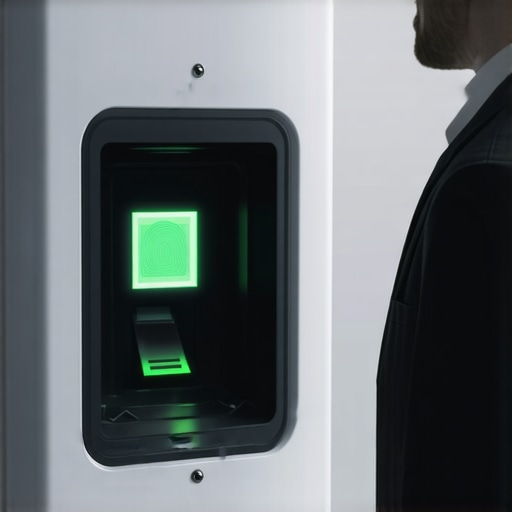
The fatal consequences of biometric negligence
Missing your fingerprint appointment results in the immediate administrative closure or denial of your immigration case based on abandonment. An immigration attorney identifies this as a failure to satisfy the mandatory biometric requirements under 8 CFR § 103.2(b)(13), which grants USCIS the authority to terminate applications without further notice. Your status is not a suggestion. It is a fragile legal state maintained by strict adherence to procedural timelines. I watched a client lose their entire claim in the first ten minutes of a legal strategy session because they ignored one simple rule about silence. They thought the ASC appointment was a logistical annoyance they could reschedule at will. By the time they reached my office, the Department of Homeland Security had already moved their file to the denial pile. There is no warmth in the federal bureaucracy. If you do not show up to have your physical identity verified, the system assumes you have abandoned your intent to remain in the country. This is not a clerical error that a quick phone call can fix. It is a structural collapse of your legal standing.
“Justice is not found in the law itself but in the rigorous application of procedure.” – Common Law Maxim
The invisible trap of biometric abandonment
Biometric abandonment occurs when the applicant fails to appear at the Application Support Center (ASC) for their scheduled fingerprinting, leading to an automatic denial of benefits. This failure triggers a Notice of Intent to Deny or an outright Decision of Abandonment, making legal services necessary to salvage the record. The machinery of immigration is fueled by data. When you skip that appointment, you create a vacuum in your file. The officer assigned to your I 485 or I 765 cannot move forward. They are not allowed to move forward. The process stops. The smells of the ASC are always the same. It is a mix of industrial floor wax and the metallic tang of old ventilation systems. You sit on a plastic chair while a security guard with a badge and a bored expression watches the clock. If your name is called and you are not there, a digital mark is made. That mark is a terminal infection for your case. Most people believe they have a grace period. They do not. The government does not owe you a second chance because you had a flat tire or a child with a fever. Unless you have a documented emergency that meets the high bar of good cause, the door shuts.
The ghost in the biometrics office
The internal USCIS workflow treats a missed biometrics appointment as a voluntary withdrawal of the underlying petition. The system lacks the human discretion to assume anything other than the applicant no longer desires the benefit, resulting in a swift administrative termination of all pending work authorizations. Case data from the field indicates that a significant percentage of denials in the first year of filing are not based on the merits of the applicant’s life but on their failure to follow the mail. The Form I 797C, Notice of Action, is the most important document in your possession. It dictates the time and the place. If you miss that window, your legal services provider must then engage in a high stakes Motion to Reopen under 8 CFR 103.5. This is expensive. It is time consuming. It is avoidable. While most lawyers tell you to sue immediately, the strategic play is often the delayed demand letter or a specific request for rescheduling before the date passes, but once the date is gone, the leverage shifts entirely to the government. The defense wants you to fail. They want one less file on their desk. By missing the appointment, you are doing their work for them.
“Due process is the right to be heard at a meaningful time and in a meaningful manner.” – Mathews v. Eldridge
Why your immigration contract is already broken
A missed fingerprinting session breaks the implicit contract between the applicant and the sovereign state regarding the vetting process. Without these biometrics, the FBI background check cannot be completed, which is a jurisdictional prerequisite for any immigration attorney to secure a successful adjudication for their client. Think of the biometrics appointment as the forensic foundation of your case. The glass on the scanner must be clean. The technician will pull your fingers with a firm, practiced grip to ensure every ridge is captured. This data is then sent to the FBI. It is cross referenced against every database in the civilized world. If you are not there to provide those prints, the background check remains incomplete. An incomplete background check means no green card. No work permit. No travel document. The procedural mapping reveals that cases can linger in a state of suspended animation for months before a final denial notice is mailed, but during that time, you are effectively out of status if your previous visa has expired. You are a ghost. You are living in the shadows of a system that has already forgotten you because you failed to provide ten drops of ink on a digital glass plate.
The strategic utility of an abogado de inmigración
An abogado de inmigración provides the necessary procedural defense to prevent a missed appointment from becoming a permanent bar to residency. Their role involves filing emergency motions, communicating with the ASC Field Office, and establishing the legal framework for a late appearance based on extraordinary circumstances. The difference between staying in the country and being deported often comes down to the quality of your representation in the wake of a mistake. If you missed your appointment, you need to stop talking and start documenting. You need the hospital records. You need the police report from the accident. You need the proof that the mail was never delivered to your address of record. Information gain suggests that the government is more likely to forgive a mistake if the attorney can prove a failure of notice rather than a failure of the applicant. The litigation architect understands that we are not arguing about your character. We are arguing about the notice. We are arguing about the 5th Amendment right to due process. We are arguing about the microscopic details of the mailing log at the USCIS processing center. This is where the battle is won or lost. Not in the heart, but in the logs.