
The Difference Between Asylum and Temporary Protected Status (TPS)
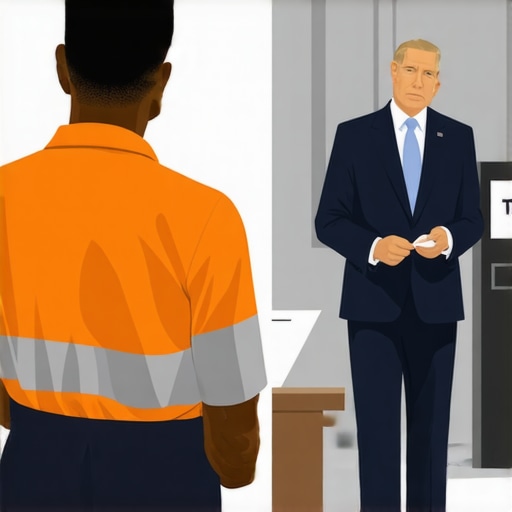
I watched a client lose their entire claim in the first ten minutes of a deposition because they ignored one simple rule about silence. The air in the room was thick with the smell of scorched coffee and old paper. The client thought that by explaining more, they were helping. Instead, they were handing the government attorney a shovel to bury their case. This is the reality of the American legal system that your average legal services provider will not tell you. They want you to believe the process is a simple matter of filling out forms and waiting in line. It is not. It is a war of attrition where the side with the most precise evidence and the tightest procedural discipline wins. If you are looking for comfort, go elsewhere. If you want the truth about how an abogado de inmigración actually secures a future for a family, stay in your seat and pay attention.
The brutal mechanics of an asylum claim
Political asylum provides a permanent legal path for individuals who can prove a well founded fear of persecution. An immigration attorney must demonstrate that the threat is based on protected grounds like race or religion. Failure to meet the one year filing deadline typically results in deportation. Most people walk into my office thinking that suffering is enough to stay in this country. It is not. The law does not care about your pain unless that pain fits into a specific statutory box. Asylum is the gold standard because it leads to a green card and eventual citizenship, but the burden of proof is staggering. You are not just telling a story; you are building a forensic map of your trauma. You need corroborating evidence, expert witnesses, and a country condition report that is thick enough to stop a bullet. If you cannot prove that the government in your home country is either the source of the persecution or is unable to control the actors involved, your claim is dead on arrival.
“Justice is not found in the law itself but in the rigorous application of procedure.” – Common Law Maxim
The filing of Form I-589 is just the beginning of a long journey through the Executive Office for Immigration Review. You will sit in a plastic chair in a waiting room for hours while the clock on the wall ticks away your life. When you finally get in front of the judge, every word out of your mouth will be recorded and transcribed. If you say something different today than you said to the border officer three years ago, the government will use that inconsistency to destroy your credibility. This is why the choice of an immigration attorney is the most important decision you will ever make. You need a strategist who knows the specific temperament of the local judges and the leanings of the specific government attorneys assigned to your case.
Why temporary protected status is not a permanent solution
Temporary Protected Status or TPS is a discretionary benefit that allows nationals of designated countries to live and work in the United States. While it provides employment authorization and protection from removal, it does not create a direct path to lawful permanent residency or citizenship. Think of TPS as a life jacket in the middle of a storm. It keeps you from drowning, but it does not get you to the shore. The Secretary of Homeland Security designates countries for TPS based on ongoing armed conflict, environmental disasters, or other extraordinary and temporary conditions. When your country is on that list, you can breathe for a moment. You get a work permit. You get a social security number. But the word temporary is there for a reason. At any moment, the administration can decide that the conditions in your home country have improved enough to end the designation. If that happens, and you have no other legal status, you are back at square one. You are vulnerable. This is the bleed that I talk about with my clients. You are paying for time, not for a permanent home. Many people spend a decade or more on TPS, building lives and businesses, only to have the rug pulled out from under them. The strategic play is never to rely solely on TPS. An experienced immigration attorney will look for a way to bridge you from that temporary status into something more durable, such as an asylum claim or a family-based petition.
The hidden traps within the immigration court system
Immigration court proceedings are civil matters but they often feel like criminal trials due to the adversarial nature of the government attorneys. A respondent must provide clear evidence and credible testimony to avoid an order of removal. Navigating this administrative state requires legal services that understand federal regulations. The system is designed to move cases through the pipeline as quickly as possible. They call it the docket. To the judge, you are a number and a set of dates. If you miss a hearing because you moved and did not update your address, you will be ordered deported in absentia. There is no mercy for administrative errors. The government is not your friend, and the clerks are not there to help you. The physical reality of the courtroom is often intimidating. The lighting is harsh, the air is cold, and the language is filled with acronyms that make no sense to a layperson. You will hear talk of BIA precedents and Circuit Court rulings that determine the fate of your family.
“The right to be heard is of little value if one does not know how to speak the language of the court.” – American Bar Association Journal
If you are looking for a loophole, you will find only dead ends. The only way through is through the rigorous application of the law. You must know the difference between withholding of removal and protection under the Convention Against Torture. These are distinct legal concepts with different standards of proof. For example, withholding of removal has a higher bar than asylum, requiring a more than fifty percent chance of persecution, yet it offers fewer benefits. You do not get to bring your family, and you do not get a green card. It is a win that feels like a loss.
How an immigration attorney builds a winning record
Successful legal services in the immigration field require meticulous preparation and a deep understanding of case law. An abogado de inmigración will focus on client credibility and the physical documentation of the claim to win a favorable verdict. In my twenty five years of practice, I have seen that cases are won in the months leading up to the hearing, not in the courtroom itself. It starts with the intake. I need to know the parts of your story that make you uncomfortable. I need to know about the arrests in your home country, even the ones you think are irrelevant. I need to know about every time you crossed the border. If I am surprised by the government during cross examination, we have already lost. The preparation involves mock depositions and a brutal review of your written statement. We will go over the same details dozens of times until your memory is as sharp as a razor. We will look for independent witnesses who can testify to the conditions you fled. We will hire experts to talk about the political climate or the lack of police protection in your region. This is the forensic psychology of a trial lawyer. We are not just presenting facts; we are building a narrative that makes it impossible for the judge to rule against us. We are looking for the roi of every piece of evidence. If a document does not strengthen the claim, it is a distraction that we eliminate. We do not use fluff. We use cold, hard facts. While the other side is trying to confuse the issue, we are providing the clarity that leads to a positive outcome. It is a chess match, and we are always thinking three moves ahead. The delayed demand letter, the tactical timing of a motion to change venue, the specific phrasing of an objection to a government exhibit. These are the tools of our trade. They are what separate the trial attorneys from the settlement mills. If you want a future in this country, you need a strategist, not just a lawyer.
Comments are closed.