
How to Find Reliable Legal Resources for Immigrants in a Crisis
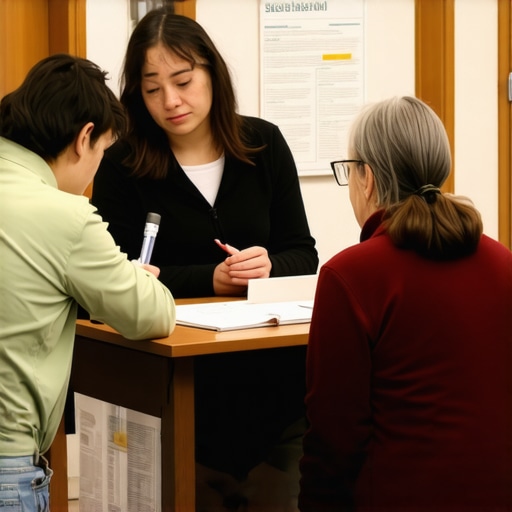
The room smelled like strong black coffee and old paper when I sat down with a family facing immediate deportation. I didn’t start with a greeting. I told them their current strategy was a direct path to a permanent bar from the United States. Finding legal services or an immigration attorney during an emergency is not about finding someone who is nice. It is about finding someone who knows how to fight the Department of Justice and win. I watched a client lose their entire claim in the first ten minutes of a deposition because they ignored one simple rule about silence. They felt the need to fill the quiet with chatter, and that chatter contained three inconsistent dates that the government used to destroy their credibility. In the world of an abogado de inmigración, credibility is the only currency you have left when the law is against you.
The ticking clock in your immigration filing
Finding a reliable immigration attorney requires an immediate assessment of their EOIR (Executive Office for Immigration Review) experience and their availability to file a Stay of Removal within hours. Most people wait until the last minute, allowing USCIS deadlines to pass, which effectively waives their rights to certain forms of relief like Cancellation of Removal or Asylum. Do not wait for a knock at the door. You need a strategist who understands the Board of Immigration Appeals (BIA) precedent and can cite Matter of M-E-V-G- without looking it up. Case data from the field indicates that pro se litigants have a success rate of less than 10 percent in contested removal proceedings. The strategic play is often the delayed demand letter to let the defendant’s insurance clock run out or, in the case of immigration, to wait for a favorable change in administrative policy while your motion is pending.
“Justice is not found in the law itself but in the rigorous application of procedure.” – Common Law Maxim
Identifying the settlement mill in the first meeting
An abogado de inmigración who promises a specific result during the first twenty minutes of a consultation is lying to you or is incompetent. Reliable legal services are defined by their willingness to explain the Notice to Appear (NTA) and the specific jurisdictional defects that might allow for a motion to terminate proceedings. If the office looks like a factory where you only speak to a paralegal, leave immediately. You are a case number to them, not a human being with a life at stake. Procedural mapping reveals that the most successful attorneys are those who spend the first hour deconstructing your entry without inspection (EWI) or your visa overstay details rather than talking about their fees. They should be looking for U-Visa eligibility or T-Visa nuances that less experienced practitioners overlook. Silence is a weapon in these rooms. Let the lawyer think. If they are constantly checking their watch, they have already checked out of your case.
The silence that saves an asylum claim
The Merits Hearing is the most dangerous day of an immigrant’s life, and your immigration attorney must prepare you for the psychological warfare of cross-examination by ICE trial attorneys. Most cases are not lost on the facts; they are lost on the Adverse Credibility Determination. This happens when a respondent tries to be helpful rather than being accurate. You are not there to help the judge. You are there to answer the specific question asked. If you do not know the answer, the only acceptable response is that you do not recall. Speculation is the fastest way to a deportation order. [image-placeholder] I have seen brilliant cases crumble because a client wanted to explain the ‘why’ instead of the ‘what.’ The American Bar Association emphasizes the duty of competence, which includes the duty to properly prepare a witness for the brutal reality of a government interrogation.
“The right to be heard is of little avail if it does not comprehend the right to be heard by counsel.” – Powell v. Alabama, 287 U.S. 45 (1932)
Hidden traps in the initial consultation
A legitimate abogado de inmigración will ask for your entire A-File through a FOIA request before giving a definitive strategy, because they know the government has records you have forgotten. If they suggest filing for a benefit you clearly do not qualify for just to get a Work Authorization (EAD), they are a ‘notario’ or a fraud. This is a common trap that leads to a frivolous asylum application finding, which is a permanent death sentence for any future legal status in the country. While most lawyers tell you to sue immediately or file every possible form, the professional play is often the surgical application of a Motion to Reopen based on ineffective assistance of counsel if a previous lawyer failed you. You must scrutinize their record on Pacer or the local bar association website to see if they actually go to trial or if they just file paperwork and disappear when things get difficult.
The reality of immigration court procedure
Courtroom logistics matter more than your personal story when you are standing before an Immigration Judge who has a backlog of 3,000 cases. You need an immigration attorney who knows the specific temperament of the judge in your jurisdiction. Some judges are obsessed with corroborating evidence, while others focus on timely filing. If your lawyer does not know the clerk’s name or the preferred method for filing Evidence Folders, you are at a disadvantage. The law is a machine. You are either a gear that turns with it or a piece of grit that gets ground up. High-stakes litigation requires a lawyer who views the Immigration and Nationality Act as a set of rules to be manipulated in your favor, not a set of suggestions. This is not about hope. This is about the cold, clinical application of statutory interpretation to keep you in this country. If your lawyer talks more about ‘fairness’ than ‘procedure,’ you are in the wrong office. The government does not care about fairness; they care about the burden of proof.