
How to Handle an Interrogation by Customs and Border Protection
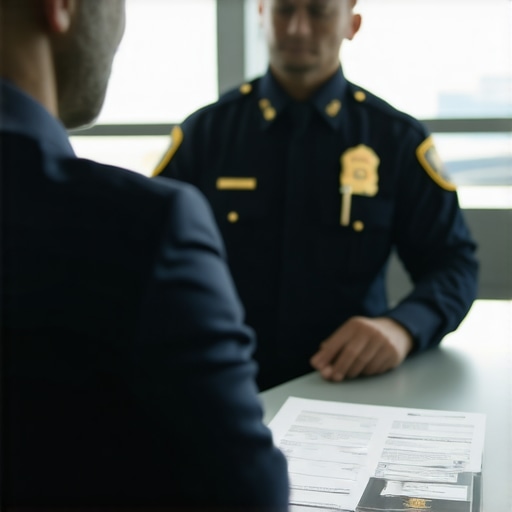
I smell strong black coffee and the metallic scent of a windowless room every time I read a CBP transcript. I am a Senior Trial Attorney with twenty-five years in the trenches, and I have seen the same tragedy play out a thousand times. I watched a client lose their entire claim in the first ten minutes of a deposition because they ignored one simple rule about silence, and at the border, that mistake is fatal. You believe you are having a conversation. You think that being helpful will earn you leniency. You are wrong. You are being interrogated by a federal agent whose primary objective is to find a reason to deny your entry. The records created in these rooms are permanent. They are used by an Immigration attorney years later to try and salvage a life that was discarded because of a nervous answer given at 3 AM. If you think the law is about fairness, you have already lost. The law is about procedure, and the procedure at the border is designed to favor the house. This is not a travel blog. This is a tactical manual for the legal reality of the secondary inspection room.
The silence that saves your entry visa
CBP officers hold the power to interrogate any individual seeking entry into the United States. Your abogado de inmigración will tell you that while you must present your documents, you are not legally obligated to provide a narrative of your life. Requesting legal services or remaining silent is your right. Most travelers fail to realize that every word spoken during immigration processing is recorded in a sworn statement. The officer is looking for inconsistencies between your visa type and your intent. If you arrive on a B1/B2 visitor visa but mention you might look for a house or help a friend with a business, you have just admitted to immigrant intent or unauthorized work. The interrogation is a trap. I have seen individuals with valid visas get turned around because they tried to explain their way out of a simple question. The smarter play is to be brief. Yes. No. I do not recall. These are the tools of survival. When you start talking, you start sinking. The officer is not your friend. They are not a travel agent. They are a law enforcement officer looking for a lead. Information gain in these scenarios is zero for the traveler and infinite for the government. If the pressure becomes too high, the only move is to stop. Do not sign anything you have not read three times. Do not agree to statements that are not 100 percent accurate. Once that signature is on the page, the immigration record is sealed, and your Immigration attorney will have a mountain to climb to fix it.
“Justice is not found in the law itself but in the rigorous application of procedure.” – Common Law Maxim
Why your smartphone is a federal crime scene
Customs and Border Protection has the authority to search electronic devices without a warrant under the border search exception. Your Immigration attorney cannot stop the physical search of your phone once you are in secondary inspection. Any immigration related content found on your device can lead to immediate removal. This includes emails, text messages, or photos that suggest you intend to stay in the country longer than permitted. Agents will look for resumes, job offer letters, or even messages to family members about moving. The legal services required to challenge a search after the fact are expensive and often unsuccessful due to the sovereign power of the border. If you are carrying a device, assume the government is reading every message. Case data from the field indicates that officers frequently use social media posts to contradict the stated purpose of a trip. A photo of a graduation or a wedding can be twisted into evidence of permanent intent. The technical reality of the border is that the Fourth Amendment is nearly non-existent. You are in a legal gray zone where the digital version of your life is open for inspection. The strategic move is to travel light. If you do not need the data, do not bring it. If you are forced to provide a passcode, know that the refusal can be used as a basis to deny entry to non-citizens. It is a choice between your privacy and your visa. Most people choose the visa, then regret the content of their private messages. This is the brutal truth of modern travel. Your phone is a witness against you, and it never forgets a deleted message.
Limits of authority at the secondary inspection desk
Secondary inspection is where the abogado de inmigración is most needed but least accessible. During this immigration process, you do not have a right to legal services in the room, but you can request to speak to a supervisor. Knowing the specific immigration regulations can prevent an officer from overstepping their administrative bounds. An officer might try to coerce a withdrawal of application for admission, which is a voluntary act that waives your right to a hearing. Never sign Form I-275 without understanding that you are giving up your chance to see a judge. This is the “bleed” of litigation. The government wants you to go away quietly. They want you to sign the paper and get on the next plane. If you sign, you are gone. If you refuse, they may have to put you in front of a judge, which costs them time and money. While most lawyers tell you to sue immediately, the strategic play is often the delayed demand letter to let the defendant’s insurance clock run out, but at the border, the strategy is about preventing the expedited removal order. An expedited removal carries a five-year ban. A withdrawal of application does not. This is the chess match of the airport. You must know which outcome is the least damaging. The officer will not tell you the difference. They will tell you that signing is the only way home. They are lying. There is always another way, but it requires nerves of steel and a refusal to be intimidated by the badge. Your identity in that room must be one of calm, firm compliance without submission.
“The right of the United States to exclude aliens from its territory is an inherent attribute of sovereignty.” – Chae Chan Ping v. United States
Hidden traps in the sworn statement process
Form I-867A and Form I-867B are the records of your interrogation that will haunt your future immigration filings. An abogado de inmigración will scrutinize these documents for any sign of coercion or procedural error. The legal services provided during a later appeal depend entirely on what is written in these forms today. Every question and answer is transcribed, often by an officer who is not a professional stenographer. This leads to errors. If the officer writes that you admitted to working illegally, that becomes the truth in the eyes of the government. You must read every single line of the transcript before you sign it. If there is a mistake, demand it be fixed. If the officer refuses, do not sign. The Jurat at the end of the statement says you swear under penalty of perjury that everything is true. If you sign a lie, you have committed a crime. I have seen the most honest people get caught in this trap because they were tired, hungry, and just wanted to go home. The interrogation can last for hours. They will ask the same question fifty different ways. They are waiting for you to trip. They are waiting for the fatigue to set in. This is forensic psychology in action. They use the environment to break your resolve. The cold air, the hard chairs, the lack of food; it is all part of the process. Stay focused. Treat every question like it is a deposition in a multi-million dollar lawsuit. Because for your life and your future in this country, it is.
Procedural leverage against expedited removal orders
Expedited removal is the ultimate weapon used by Customs and Border Protection against travelers. An Immigration attorney can sometimes stop this process if there is a claim of asylum or a valid immigration status that was overlooked. The legal services required to overturn a removal order are complex and require immediate action. Most people do not realize that once an order is issued, it is nearly impossible to appeal. The only real leverage you have is during the initial interview. If you express a fear of returning to your home country, the officer is legally required to stop the removal and refer you to an asylum officer. This is the one trigger that changes the entire dynamic of the room. It shifts the case from a summary execution of your visa to a protected process. However, many officers will try to talk you out of this. They will say it will take too long or you will be in jail. They are trying to clear their desk. Your job is to stand your ground. Procedural mapping reveals that those who know their rights and insist on them are far more likely to survive the encounter. The law is a series of gates. If you know how to open the right one, you can pass. If you don’t, you hit a wall. The border is the thickest wall of all. You need to be prepared to fight for your space on the other side of it. This isn’t about being nice; it’s about being right.
Tactics to mitigate the damage of a botched interview
Mitigation begins the moment you leave the airport and contact an abogado de inmigración. If you were denied entry, your legal services must focus on the immigration record created during the interrogation. Getting a copy of your FOIA (Freedom of Information Act) file is the first step in seeing what the government wrote about you. Often, the notes in the system are far worse than what you remember saying. You might find that the officer accused you of fraud or misrepresentation. These are permanent bars to entry. To fight this, you need evidence that contradicts the officer’s notes. This could be bank statements, employment letters, or affidavits from witnesses. The battle moves from the airport to the consulate or the courtroom. It is a long, expensive process. The best way to handle an interrogation is to avoid the mistakes that make mitigation necessary. But if the damage is done, you cannot wait. The clock is ticking on your ability to challenge the decision. Every day that passes makes the government’s version of the truth harder to debunk. You need a strategist who knows how to pick apart a CBP officer’s logic. You need someone who can find the procedural flaw that voids the removal. This is where the chess game gets truly complex. It is where the experience of a trial attorney becomes the only thing standing between you and a permanent ban from the United States. Do not settle for a lawyer who just fills out forms. You need a fighter who understands the violence of the border process.