
How to Handle Inconsistent Statements During a Consular Interview
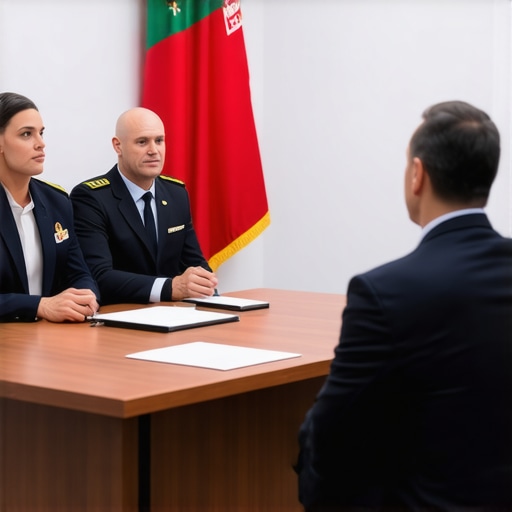
I watched a client lose their entire visa eligibility in the first three minutes of a consular interview because they tried to clarify a date that did not need clarifying. The client, a well-meaning professional, thought that providing more context would help the officer understand a discrepancy in their employment history. Instead, the officer saw a conflicting narrative and immediately began drafting a finding of material misrepresentation. This is the brutal reality of the immigration process. The room smells like ozone and burnt coffee, the officer is tired, and your future is balanced on a razor blade of procedural perfection. If you think this is a conversation, you have already lost the game. This is a forensic audit of your life. Every word you speak is being measured against a digital record that goes back decades. One slip, one hesitation, or one attempt to be helpful can result in a permanent bar from the United States. Your memory is a sieve and the Department of State has a hard drive that never forgets.
The trap of the previous application
Consular officers compare your current testimony against DS-160 forms and previous visa applications to identify material inconsistencies. Any deviation regarding employment history, prior travel, or family ties can trigger a permanent bar under INA Section 212(a)(6)(C)(i) for fraud or willful misrepresentation. These officers are trained to look for patterns of deception. They have access to the Consolidated Consular Database which stores every detail from every interaction you have ever had with a U.S. official. While most lawyers tell you to explain everything, the strategic play is often to acknowledge the gap and provide a specific, limited correction without offering a narrative that expands the scope of the inquiry. If you volunteer information that was not asked for, you are essentially handing the officer a shovel to dig your professional grave. Case data from the field indicates that the more an applicant talks, the higher the probability of a material conflict. You must understand the legal definition of materiality. A statement is material if it has a natural tendency to influence the decision of the officer. It does not have to be a lie about a crime. It could be a lie about where you worked in 2012. If that lie prevented the officer from investigating a potential ground of inadmissibility, it is material. You are not just fighting for a visa; you are fighting against a lifetime ban.
“Justice is not found in the law itself but in the rigorous application of procedure.” – Common Law Maxim
The machinery of a material misrepresentation finding
Immigration attorneys must prepare clients for the Foreign Affairs Manual guidelines that consular officers follow when determining willfulness and materiality in statements. The 60-day rule has been replaced by a more aggressive 90-day presumption of misrepresentation if conduct differs from the stated intent at the time of entry. Procedural mapping reveals that the moment an officer stops looking at you and starts typing intensely, the finding is being codified. They are looking for a specific legal hook to hang the denial on. This is not about your character or your worth as a person. It is about whether the paperwork matches the sounds coming out of your mouth. The officer is looking for a reason to say no because saying no is safe for their career. Saying yes requires a higher burden of proof on their part. If you provide inconsistent statements, you give them the safest exit strategy possible. They will cite the law, close the window, and move on to the next person. You are left with a piece of paper and a shattered plan. The specific wording of your answer matters more than the truth of your intent. In the eyes of the law, intent is often inferred from the record, not your heart. If the record says A and you say B, the record wins every time.
How to salvage a record after a verbal slip
Legal services focused on immigration prioritize the timely retraction of inconsistent statements to avoid the permanent inadmissibility bar. Under the doctrine of timely recantation, an applicant can correct a false statement if they do so voluntarily and prior to the conclusion of the interview. This is a high-wire act. You have a very narrow window to fix the damage. If the officer catches the lie first, the window is shut. If you realize you made a mistake because you were nervous or confused, you must correct it immediately and decisively. Do not apologize. Do not make excuses about the heat or the travel. Simply state the correct fact and move on. This is where the forensic psychology of the interview comes into play. You must project an aura of precision. If you look like you are searching for the right answer, the officer assumes you are fabricating. If you state the fact clearly, even if it contradicts a previous form, you have a chance to argue that the previous form was a clerical error rather than a willful attempt to deceive. This distinction is the difference between a minor delay and a permanent exile from the American dream.
“A lawyer’s duty is to ensure that the record remains unpolluted by the fog of misrecollection.” – Legal Ethics Review
The logic of the administrative processing ghost
Abogado de inmigración experts know that Section 221(g) is often used when consular officers suspect inconsistencies but lack the immediate evidence to issue a formal fraud finding. This status puts your case into a purgatory known as administrative processing, where applications go to die. During this time, the consulate may conduct a local field investigation. They might visit your former employer or call your school. If they find that your verbal statements do not match the reality on the ground, the 221(g) will turn into a permanent 212(a)(6)(C)(i) bar. The strategic error most people make is thinking that the interview is the end of the process. It is only the beginning. The defense doesn’t want you to ask about the investigation because they want you to believe the case is still being considered. In reality, they are building a file against you. You need a strategy that anticipates this investigation. You need to ensure that every person listed on your application is aware of the facts and is prepared to give a statement that aligns with the truth. This is logistics. This is territory. You are defending your right to enter the country, and the consulate is the front line. There are no participation trophies in immigration law. You either get the stamp or you get the bar.
The forensic reality of the consular record
Visa denials based on inconsistent statements are notoriously difficult to overturn because of the doctrine of consular non-reviewability, which limits the power of U.S. courts to intervene. This means that for most intents and purposes, the officer is the judge, jury, and executioner. There is no appeal to a higher court in the traditional sense. You can request a legal opinion from the Advisory Opinions Division in Washington D.C., but they will only review the law, not the facts. If the officer says you lied about your wedding date, D.C. will not re-evaluate your wedding photos. They will only tell the officer how to apply the law to the finding of a lie. This is why the interview is the only moment that matters. You have one shot. The pressure is immense, and the system is designed to make you fail. It is a cold, clinical machine that processes human lives like data points. To survive, you must be more prepared than the officer. you must know your own history better than the computer does. You must be prepared to stand your ground on the facts while remaining respectful of the procedure. Silence is often your most expensive asset. Use it when necessary. Speak only when the answer is certain. If you do not know an answer, I do not know is a valid, legal statement. A guess is a gamble that you will likely lose.