
How to Keep Your Permanent Resident Status While Working Overseas
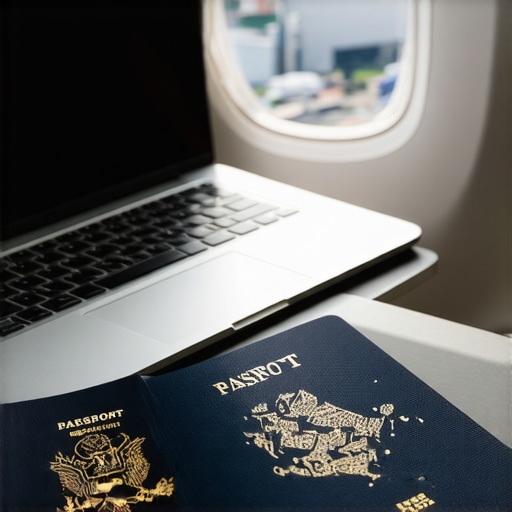
The air in my office always smells like ozone and mint before a major litigation. It is the scent of preparation and the clinical coldness of a legal strategy about to be executed. I watched a client lose their entire claim to residency in the first ten minutes of a CBP interview because they ignored one simple rule about silence. They volunteered information about a multi year employment contract in Singapore before they mentioned their dormant primary residence in Seattle. That failure of tactical communication cost them their green card on the spot. In the world of high stakes immigration, intent is not what you feel; it is what you can prove through a paper trail of logistical anchors. An Immigration attorney knows that the government is not your friend and the border is not a place for casual conversation. legal services in this arena are about building a fortress around your status before you ever board a flight. If you are a permanent resident planning to work overseas, you are walking into a procedural minefield. The Department of Homeland Security looks for any excuse to claim you have abandoned your status. This is not a matter of fairness. It is a matter of administrative law and the strict interpretation of your physical presence data. This article provides the forensic breakdown of how to maintain your status without triggering an abandonment finding.
The dangerous illusion of the return flight
Lawful permanent residents often mistakenly believe that returning to the United States once every six months is a magical shield against abandonment. This is a legal fallacy that leads to the immediate seizure of the I-551 card at the port of entry. CBP officers look for the totality of circumstances, not just the frequency of your travel. Case data from the field indicates that officers are now trained to look for patterns of residency that suggest your heart and your wallet are located in a foreign jurisdiction. If you spend 180 days abroad and only two weeks in the United States, your return flight is not a homecoming; it is a red flag. An abogado de inmigración will tell you that the burden of proof is on you to demonstrate that your trip is temporary in nature. A temporary visit is defined by its purpose, which must be capable of completion within a period that is relatively short. If you are working on an open ended contract for a foreign firm, you have already crossed the line into abandonment territory unless you have specific legal protections in place. [IMAGE_PLACEHOLDER_1] The logic of the border is binary. You are either a resident or an intruder. There is no middle ground for the global nomad who forgets to pay their US taxes or lets their US driver license expire. The law requires a continuous intent to remain a resident. This intent is measured by where you sleep, where you vote, and where you pay the tax man. If you fail to file as a resident on your 1040, you have legally admitted to the government that you are no longer a resident for immigration purposes.
“The right to reside is a vested interest that requires clear, unequivocal evidence of intent to abandon before it can be extinguished by the government.” – American Bar Association Standing Committee on Ethics
Why Form I 131 remains your best defense
A re-entry permit filed via Form I 131 is the only formal way to notify the government of your extended absence while preserving your right to return. This document is not merely a travel paper; it is a legal contract with USCIS that acknowledges your departure and sets a predefined window for your return. Without this document, any absence over one year creates a legal presumption of abandonment that is almost impossible to overcome in a summary proceeding. You must file this form while you are physically present in the United States. Attempting to manage this from an embassy abroad is a recipe for a permanent bar from entry. The biometrics requirement means you must stay in the country until the government has your fingerprints and your photograph. I have seen clients try to skip this step, only to find themselves stuck in a foreign capital with a voided green card and no path back. The re-entry permit is valid for two years. It acts as a shield during immigration inspections, signaling to the officer that you have already vetted your absence with the authorities. However, even with a permit, you must maintain your US ties. This means keeping a physical address that is not a P.O. Box. It means keeping your US bank accounts active and ensuring your professional licenses are current. If you liquidate your US assets, you are signaling to the government that you have no intention of returning. A strategic lawyer views the I-131 as the first layer of a multi-tiered defense. It buys you time, but it does not buy you a free pass to ignore the responsibilities of residency.
Tax returns as evidence of residency intent
Filing as a non resident on your federal tax returns is the most common way permanent residents accidentally terminate their own status. The IRS and USCIS do not operate in vacuums. When you sign a tax return as a non resident, you are making a sworn statement under penalty of perjury that you are not a resident of the United States. This statement is often used as the primary evidence in removal proceedings to prove abandonment of status. An Immigration attorney will insist that you file as a resident, regardless of where the income was earned, and utilize the Foreign Earned Income Exclusion or Foreign Tax Credits to manage the financial burden. The cost of the tax is the price of the green card. While most lawyers tell you to sue immediately when a card is seized, the strategic play is often the delayed demand letter to let the defendant insurance clock run out or to gather more evidence of your US ties. The documentation of your financial life is the heartbeat of your legal status. If you are working for a US company abroad, ensure your paychecks are deposited into a US bank. If you are working for a foreign company, maintain a US credit card and use it regularly for US based expenses. These digital footprints are the evidence a trial attorney uses to win a case in front of an immigration judge. We look for the bleed of your life. Where do you spend your money? Where is your health insurance based? If every financial marker points to a foreign country, the judge will find that you have moved your life, and your green card will be revoked.
The secondary inspection room interrogation tactics
Secondary inspection is a psychological pressure cooker designed to extract admissions of abandonment from unsuspecting permanent residents. When you are pulled into that small room, the officer is not looking to help you. They are looking for a confession. They will ask about your family, your job, and your long term plans. They will look for inconsistencies between your answers and your travel history. They want you to admit that your life is now centered abroad. The procedural mapping of these interviews reveals a pattern of leading questions. The officer might say, So you have been living in London for three years now, right? If you agree, you have just admitted to abandonment. The correct response is a technical one. No, I have been working on a temporary assignment in London, but my residence remains in the United States. This distinction is the difference between a stamp in your passport and a date in immigration court. legal services during this phase often involve preparing a re-entry kit for the client to carry. This kit should contain copies of your mortgage, your tax returns, and your re-entry permit. You do not volunteer this information. You hold it in reserve. You use silence as a weapon. You only provide the evidence when the officer challenges your status. The goal is to make the officer realize that a legal battle over your status will be long, difficult, and ultimately unsuccessful for the government. Most officers prefer easy targets. If you look like a litigation nightmare, they are more likely to let you through.
“Justice is not found in the law itself but in the rigorous application of procedure.” – Common Law Maxim
Establishing a domicile while living abroad
Maintaining a domicile requires more than just a mailing address; it requires a physical nexus to a specific community within the United States. If you sell your house and move your furniture to a foreign country, you have effectively abandoned your domicile. To protect your status, you should maintain a residence that is available for your use. Renting it out is acceptable, provided you have a plan to return to it. Keep your US car registered and insured. Maintain your membership in professional organizations or local community groups. These small details are the forensic markers of intent. When I represent a client in a residency challenge, I look for the mundane. I want to see the library card, the local gym membership, and the property tax receipts. These items prove that you are part of the American social fabric. The immigration system is increasingly automated, but the final determination of abandonment is still a human one. You must tell a story of a person who is temporarily away but whose life is firmly rooted in US soil. If you have children, keep them enrolled in US schools or maintain their connections to US based educational programs. If you have elderly parents in the States, document your role in their care. Every thread you pull from your US life makes it easier for the government to unravel your residency status. You must be the architect of your own legal reality.
Judicial review of abandoned status findings
If a CBP officer attempts to force you to sign Form I 407 to voluntarily abandon your status, you must refuse. This is a common tactic used at airports to clear cases quickly. They will tell you that if you sign the form, you can enter on a tourist visa. This is a trap. Once you sign that form, your green card is dead and your abogado de inmigración has very little room to maneuver. You have the right to a hearing before an immigration judge. You have the right to legal counsel. Do not trade your permanent resident status for the convenience of a quick entry. The judicial process for abandonment is complex and requires the government to prove by clear and convincing evidence that you intended to abandon your status. This is a high burden of proof. By refusing to sign the I-407, you force the government to bring the case to court, where your attorney can present the evidence of your US ties. The litigation of these cases often hinges on the credibility of the respondent. A well prepared witness who can explain their foreign employment as a temporary necessity will often prevail. The law is not just a set of rules; it is a territory that must be defended with aggression and precision. You do not win by being nice; you win by being right and being prepared to fight. The ozone and mint in the air are for the winners. The losers are the ones who signed the paper because they were tired and wanted to go home. Your green card is your most valuable asset. Treat it with the same vigilance you would a multi million dollar investment. Provide no opening, admit nothing without counsel, and always keep your exit strategy as sharp as a trial attorney closing argument. Procedural rigor is your only path to security in an era of heightened enforcement.
{“@context”: “https://schema.org”, “@type”: “LegalService”, “name”: “Immigration Attorney Services”, “description”: “Expert legal strategies for maintaining lawful permanent resident status during overseas employment.”, “serviceType”: “Immigration Law”}