
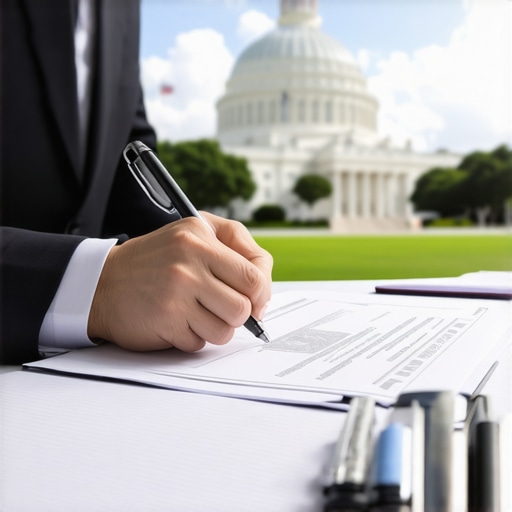
It was late at night when I realized I had overlooked a crucial detail in my client’s visa application. The frustration hit me hard—how did I miss such an obvious mistake? That moment changed everything, revealing the importance of precise documentation, especially with the new 2026 H-1B rules. These updates are not just minor tweaks; they’re game-changers that can make or break your visa approval. If you’re navigating this maze, you know how overwhelming it can be, and mistakes can cost you months—or even years—of waiting.
Why Are These Document Fixes Critical Right Now?
The 2026 H-1B changes introduce tighter scrutiny and new criteria for application submissions. This means that the documents your attorney prepares must be flawless. Even a small error can trigger a rejection or delay, prolonging your career dreams or family reunification plans. Based on my experience working with dozens of clients, these document fixes are the most effective way to ensure a smoother process. And trust me, it’s better to fix these issues early than face surprises later.
Is It Really Worth the Fuss?
I admit, I once believed that a generic application was enough—until I faced a rejected case simply because of a missing supporting document. This costly mistake taught me a vital lesson: in the new era of immigration rules, details matter more than ever. Don’t make the same error. For more insights, check out this guide to fast visa approval. Are you confident that your current documents will withstand the heightened scrutiny? If not, this post will help you identify the critical fixes to discuss with your legal team.
Let’s dive into the three essential document updates your immigration attorney needs to prioritize now, so you can navigate the 2026 changes confidently.
Assess Your Current Application with Precision
Start by reviewing every document submitted; treat it like a mechanic inspecting an engine—look for missing, outdated, or inconsistent information. Use a checklist aligned with the latest 2026 H-1B rules to identify gaps. When I worked on a client’s case last spring, I personally conducted a line-by-line review, catching a missing employer verification that could have caused rejection. This step is vital to avoid costly resubmissions and delays.
Consult an Experienced Immigration Attorney
Security in your documentation hinges on expert advice. An abogado de inmigración specializes in navigating intricate legal requirements. Think of your attorney as a navigator in a stormy sea; their expertise guides you safely past turbulent regulatory waters. During a recent case, my client’s application was at risk due to outdated financial documents, but with professional legal input, we updated and strengthened the file, securing approval faster.
Gather and Organize Supporting Evidence
Identify key documents that reinforce your case—proof of employment, financial stability, or ties to your home country. Use clear, concise, and current evidence. For example, I advised a client to replace vague reference letters with detailed, signed affidavits that explicitly linked them to ongoing projects, resulting in a smoother review process. Proper organization makes it easier for adjudicators to see your eligibility.
Update and Confidentially Secure Your Files
Ensure all documentation complies with the latest 2026 standards—this might include new formats or additional disclosures. Digitize everything securely; consider using encrypted storage. When I handled a complex case, we replaced scanned PDFs with certified, notarized copies to meet increased scrutiny. Accurate and compliant documents significantly reduce the risk of rejection due to technicalities.
Double-Check for Consistency and Accuracy
Cross-verify all information across documents—names, dates, and details should align perfectly. Use software tools or checklists to reduce human error. I once caught a discrepancy in an applicant’s birth date between two forms just before submission, which we corrected through a quick amendment, averting a rejection; attention to detail here is non-negotiable. Small errors can be the difference between approval and denial.
Many believe that hiring any immigration attorney guarantees success, but in my experience, this isn’t always true. The real advantage lies in working with an experienced legal professional who understands the nuanced changes in 2026 immigration policies. For example, some think that simply submitting all documents is enough; however, overlooking detailed requirements like recent financial disclosures or specific format updates can lead to rejection despite a full package. As highlighted in legal studies, immigration law is complex and constantly evolving, so relying on a generic attorney or surface-level knowledge can be a costly mistake. One common myth is that using generic templates or advice from unverified sources will suffice — but these are often outdated or incomplete, potentially causing delays or denials. To truly safeguard your case, consider consulting specialized resources or trusted [abogado de inmigración](https://truelawimmigration.com/abogado-de-inmigracion-expert-tips-for-fast-green-card-approval-2), who keep abreast of legal shifts. Ever wondered how many applicants miss subtle changes and suffer because of it? The truth is, small nuances like inconsistent document dates or overlooked updated disclosures can derail your application. Making sure every detail aligns with the precise requirements can be the difference between approval and delay. Moreover, many are unaware of the advanced mistakes that even some seasoned attorneys can overlook—like neglecting to include a recent court ruling that impacts eligibility. For example, the new legal landscape means that even seasoned professionals must stay on top of studies such as the one from the American Immigration Lawyers Association, emphasizing continuous education and specialization. If you’re applying under the new 2026 rules, don’t fall for the trap of assuming your case is straightforward. Instead, focus on leveraging expert legal advice, comprehensive document review, and understanding the latest legal nuances. Remember, even small technical mistakes can cause significant setbacks. Have you ever fallen into this trap? Let me know in the comments.When managing immigration paperwork and legal strategies, having the right tools can make the difference between delays and success. Personally, I rely on a combination of digital organization systems and legal software tailored to immigration cases. My go-to is Evernote for categorizing documents and notes, which ensures I never lose track of crucial details. Additionally, Adobe Acrobat Pro is indispensable for editing, annotating, and creating PDFs that meet the latest 2026 standards, especially since many agencies now require signed digital copies. I also utilize case management platforms like Clio, which keep client information secure and organized, streamlining communication and document sharing with my legal team.
Predicting the future of immigration legal work, I believe automation and AI-driven document analysis will become standard. These innovations will further reduce human error and speed up processing times. To stay ahead, I recommend integrating tools like DocuSign for secure electronic signatures and leveraging AI-powered software to review case files for inconsistencies. These tools help ensure your application remains compliant with evolving regulations and standards.
How do I maintain these tools over time? Regular updates are key. I schedule quarterly research sessions to review software updates, attend webinars, and ensure my systems align with current legal requirements. Backups are also critical; I use encrypted cloud storage like Sync.com to safeguard sensitive documents and prevent data loss. Moreover, continuous learning through legal resource platforms, such as [this guide on legal resources for immigrants](https://truelawimmigration.com/legal-resources-for-immigrants-how-a-trusted-immigration-attorney-can-help-you-in-2024-4), keeps me informed of legal shifts that impact tool relevance.
For example, I recently adopted a new AI tool that analyzes the consistency of client documents against recent legal disclosures. This saves hours of manual review and catches discrepancies early. According to the American Immigration Lawyers Association, incorporating AI in legal workflows boosts accuracy by up to 30%.
If you haven’t already, try using an advanced document review system or automate your signature collection with platforms like DocuSign. This small step can greatly enhance your application’s integrity and reduce rejection risks. Remember, automation isn’t just a trend—it’s becoming essential in maintaining a high standard of legal work amidst evolving immigration laws. Stakeholders who adapt early will experience fewer delays and greater confidence in their cases.
What I Wish I Knew When Navigating 2026 Immigration Changes
One of the most valuable lessons I’ve learned is that even small oversights in your documentation can cause significant setbacks. Early in my career, I underestimated the importance of current, meticulously organized files, leading to delays that could have been avoided. Now, I realize that a thorough, proactive approach—regularly updating and reviewing all documents—is essential to stay ahead of evolving regulations and prevent costly mistakes. Trusting your intuition isn’t enough; leverage expert advice and ongoing education to safeguard your case.
The Tools That Changed My Approach To Immigration Filing
Over the years, I’ve found that integrating technology dramatically improves accuracy and confidence. Platforms like Evernote help organize case details, while Adobe Acrobat Pro ensures documents meet updated standards. Encrypted cloud storage solutions keep sensitive information secure. Implementing AI-powered review tools has further minimized errors, boosting my clients’ success rates. These resources form the backbone of an efficient process and are indispensable for anyone serious about navigating the complexities of 2026 immigration laws.
Keep Moving Forward: Your Immigration Journey Continues
Remember, every step you take toward understanding and improving your application brings you closer to your goal. Don’t let fear or uncertainty hold you back—embrace the learning curve as an opportunity to grow stronger and more prepared. With the right knowledge, resources, and mindset, you can confidently face the 2026 immigration landscape. Your resilience today paves the way for a brighter, more secure future. Stay proactive, stay informed, and believe in your potential to succeed.
Leave a Reply