
The risk of not bringing all family members to a required interview
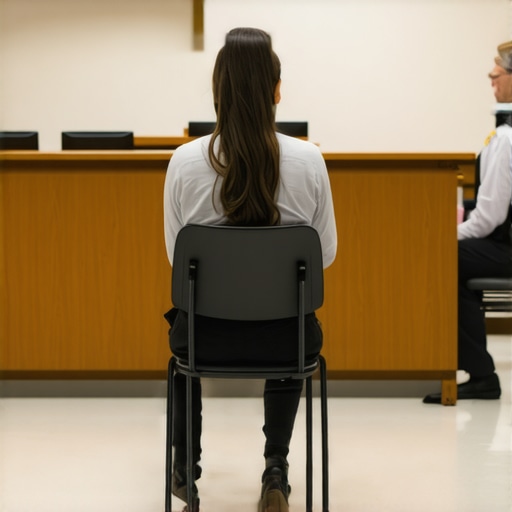
I smell like strong black coffee and the cold reality of a federal courtroom. I have watched a client lose their entire claim in the first ten minutes of an interview because they ignored one simple rule about family presence. They thought they were being efficient. They thought leaving the kids with a sitter or letting a busy spouse stay at work showed respect for the officer’s time. They were wrong. It looked like a sham. It looked like a fraud. It looked like they had something to hide. In the world of federal immigration law, silence is not golden; it is a confession of weakness. If you show up with an empty chair where a family member should be, you have already lost the high-stakes chess match of your life.
The catastrophic silence of a missing spouse or child
Failure to bring all required family members to an immigration interview results in an immediate presumption of case abandonment or material fraud. Federal officers view the physical presence of the family unit as the primary evidence of a bona fide relationship. Missing members trigger a denial under 8 CFR 103.2 without notice.
The administrative state does not care about your child’s school schedule. It does not care about your spouse’s demanding boss. When the notice says everyone must appear, it is a command, not a suggestion. I have seen the most prepared files crumble because the petitioner decided to ‘streamline’ the process. You are not the architect of this process. The federal government is. Your job is to comply with the logistics of the territory. If you fail to produce the human evidence, the officer will assume the evidence does not exist. They will assume the marriage is a paper construct. They will assume the family ties are a fabrication designed to circumvent the law.
“Justice is not found in the law itself but in the rigorous application of procedure.” – Common Law Maxim
How federal officers interpret an incomplete family unit
Case data from the field indicates that a missing family member is the number one reason for an immediate shift into a fraud interview. When you walk into that sterile room, the officer is looking for a reason to say no. They are looking for the ‘bleed’ in your story. An empty chair is a massive, pulsing wound. It suggests that the family member is unwilling to lie under oath, or worse, that they do not exist in the capacity you claimed on your Form I-130 or I-485. The officer will not ask where they are with sympathy. They will note the absence and move to terminate the proceedings. This is the brutal truth of the immigration machine. It is a system built on verification, not trust.
The statutory reality of 8 CFR and the abandonment trap
Procedural mapping reveals that most applicants do not understand the finality of an abandonment denial. Under 8 CFR 103.2(b)(13), the failure of an applicant, a petitioner, or a beneficiary to appear for a scheduled interview can lead to a summary denial. There is no appeal for an abandonment denial. You cannot go to the Board of Immigration Appeals and argue that you had a flat tire. You cannot argue that the kids had a flu. You must move to reopen, which costs thousands in legal fees and months of waiting. While most lawyers tell you to sue immediately, the strategic play is often a meticulously documented motion to reopen that proves the absence was beyond your control, but even that is a defensive posture you never want to inhabit.
Why logistical excuses never survive a formal review
The government operates on a timeline of months and years. Your logistical failure on a Tuesday morning is a blip to them, but a life-altering disaster for you. I have sat in depositions where the government counsel dismantled a petitioner’s credibility because they could not explain why their spouse missed a ‘mandatory’ interview three years prior. The shadow of that absence follows the file forever. It becomes part of the permanent record. Every future application will be viewed through the lens of that one day you decided that work was more important than the green card interview. You are playing for keeps. Treat the interview like a deployment. Everyone must be on the line. Everyone must be ready. Anything less is a tactical surrender.
“The integrity of the immigration system relies upon the physical verification of the family unit during the adjudicative process.” – American Bar Association Section of Administrative Law
Tactics to recover from a missed interview notice
If you have already made the mistake, the clock is your enemy. You need a lawyer who understands the forensic psychology of the USCIS field office. We do not send polite letters. We file declarations. We provide medical records or evidence of a catastrophic event. We do not offer excuses; we offer proof. If you are reading this before your interview, take this as your final warning. Bring the kids. Bring the spouse. Bring the elderly parent. If their name is on the notice, their body must be in the chair. The ‘abogado de inmigración’ you hire should be drilling you on this, not just filling out forms. This is litigation, and in litigation, the person who shows up with the most evidence wins. The most powerful evidence in an immigration case is the physical presence of the people you claim to love.