
The specific path for religious workers to get a green card
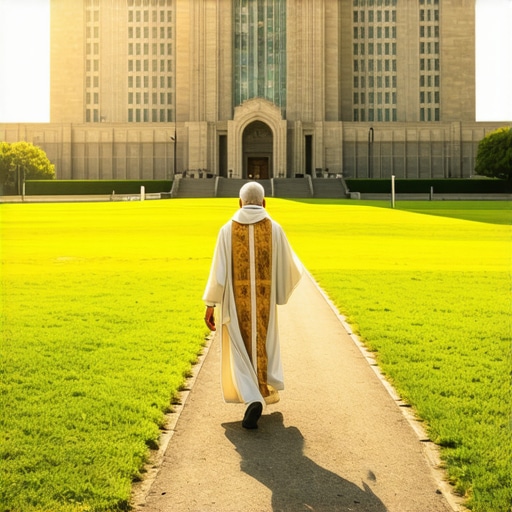
My office smells of ozone and mint. It is the scent of clarity before a storm. In my world, immigration is not a journey. It is a litigation battle against a bureaucracy designed to say no. I watched a religious worker lose their entire future in the first ten minutes of a USCIS interview because they ignored one simple rule about silence. They felt the need to fill the air with chatter. They started explaining nuances of their denomination that the officer had not asked about. By the time they were done talking, they had inadvertently created a conflict with their original I-360 petition regarding their compensation structure. The case died right there on the desk. This is the reality of the immigration system. It is not about your faith; it is about your paperwork. If you are a minister or a religious worker, the path to a green card is a legal minefield that requires an Immigration attorney who understands that the government is your adversary, not your friend.
The high price of silence at a green card interview
Religious workers seeking a green card through the EB-4 category must demonstrate two years of continuous religious work experience immediately preceding the filing. This requirement is non-negotiable and requires exhaustive documentation of employment history. Engaging professional legal services helps in organizing this evidence to survive the scrutiny of a skeptical adjudicator. Many applicants believe that their spiritual commitment will speak for itself. It will not. In the eyes of the United States Citizenship and Immigration Services (USCIS), you are a set of data points. Every word you speak at an interview is a potential point of failure. When an abogado de inmigración tells you to answer only what is asked, it is not a suggestion. It is a tactical necessity. The government looks for inconsistencies between your spoken testimony and the voluminous records submitted with your I-360 petition. If you describe your duties as ‘community outreach’ when your petition says ‘liturgical leadership,’ you have just handed the officer a reason to deny your adjustment of status. Silence is your shield. Only the truth, delivered in the shortest possible format, can protect your future in this country.
“Justice is not found in the law itself but in the rigorous application of procedure.” – Common Law Maxim
What the government searches for during unannounced site visits
The Administrative Site Visit and Verification Program allows USCIS officers to visit your place of worship without any prior notice to verify your role. These officers look for physical evidence that the religious organization exists and that the applicant is performing the duties described in the visa petition. This is where many immigration cases fall apart due to poor logistics. Imagine a plain-clothes officer walking into your church or temple on a Tuesday afternoon. They are not there to pray. They are there to see if you have a desk, if you are actually leading the youth group as claimed, and if the organization has the financial ability to pay your salary. They will check the bulletins. They will talk to the receptionist. If the receptionist does not know who you are, or if your name is missing from the organizational chart, your green card path likely ends that day. This is why legal services must include a thorough audit of the physical premises and the internal communications of the religious body. You must treat your place of worship like a high-stakes corporate environment where every document is a potential exhibit in a trial. The lack of a designated office space or a formal employment contract can be interpreted as fraud. This is not a matter of religious freedom; it is a matter of regulatory compliance.
The trap of the two year continuous service requirement
To qualify for the EB-4 special immigrant religious worker category, the applicant must have been working in a religious capacity for at least twenty-four months. Any break in this service, even for a few weeks of unauthorized leave or a change in denomination, can reset the clock to zero. While most lawyers tell you to sue immediately if there is a delay, the strategic play is often the delayed demand letter to let the defendant’s insurance clock run out or to ensure your record of service is beyond reproach. Many religious workers think they can count their time as a volunteer. This is a fatal error. The law generally requires that the work be compensated. If you were ‘working for God’ without a paycheck, USCIS will likely view that as a lack of qualifying experience. They want to see W-2s. They want to see bank statements showing the deposit of funds from the religious organization. They want to see that your abogado de inmigración has verified your tax filings match your claimed income. If there is a gap in your employment history during those two years, you must be prepared to explain it with medical records or evidence of a formal sabbatical. Even then, the officer has the discretion to decide if that break was significant enough to disqualify you. The clock is a relentless enemy in these cases.[IMAGE_PLACEHOLDER]
Why your religious vocation is under forensic scrutiny
USCIS officers are trained to look past the title of minister to determine if the actual duties are truly religious in nature. The definition of a religious occupation is narrow and excludes purely administrative or maintenance roles such as janitors, clerks, or fund-raisers. When you hire an Immigration attorney, their job is to frame your daily activities in a way that aligns with the statutory definitions. If you spend 60 percent of your time doing accounting and 40 percent preaching, the government may argue you are an accountant, not a religious worker. They will dissect your daily schedule. They will ask for your sermon notes. They will examine the religious curriculum you claim to teach. This forensic approach is designed to weed out those using the religious visa path as a back door to permanent residency. You must be able to prove that your role is essential to the religious functions of the organization. Case data from the field indicates that petitions with vague job descriptions are denied at a significantly higher rate. You need specific, granular detail about your liturgical or ministerial responsibilities. Every hour of your workday must be accounted for in the context of your faith tradition.
“Administrative law is not a matter of grace but a matter of strict adherence to the regulatory text.” – American Bar Association Journal
The evidence that matters more than a recommendation letter
Primary evidence such as tax records, payroll stubs, and organizational budgets carries more weight than subjective letters from church elders. While a letter from a bishop might look impressive, it does not satisfy the evidentiary burden of the I-360 process without financial backing. You must prove that the petitioning organization is a bona fide non-profit religious organization. This means providing the IRS 501(c)(3) determination letter and the most recent financial audits. If the church is struggling financially, the government will question how they can afford to pay your salary. Procedural mapping reveals that the financial health of the sponsor is just as important as the qualifications of the applicant. Your legal services provider should be analyzing the church’s bank statements and tax filings before the petition is even submitted. If there is a discrepancy between the church’s reported income and the salary promised to you, the case will be flagged for fraud. This is a cold, clinical analysis of numbers. The spiritual impact of your work is irrelevant if the math does not add up on paper. You are building a case for an adjudicator who cares only about the bottom line and the regulatory checklist.
How to survive the transition from R1 status to permanent residency
The transition from an R-1 non-immigrant visa to an EB-4 green card requires careful timing to avoid falling out of status. The R-1 visa is typically granted for a total of five years, and the I-360 petition and I-485 adjustment of status must be completed within that window. If your I-360 is still pending when your R-1 expires, you may find yourself in a precarious legal position. An experienced abogado de inmigración will often recommend filing the I-360 as early as possible to account for the lengthy processing times and the high probability of a Request for Evidence. You cannot afford to wait until the fourth year of your R-1 to start the green card process. The backlog for certain countries and categories can add years to the timeline. Furthermore, you must maintain your religious work throughout the entire pendency of the application. If you quit your job or the church closes, your petition dies. This creates a situation of forced loyalty that can be difficult for many workers. You are tied to your sponsor until the moment the green card is in your hand. This is the leverage the government uses. You must be prepared for a long, disciplined marathon of compliance and patience.
The hidden danger of unauthorized compensation in religious roles
Receiving any form of compensation that was not disclosed in the original visa petition can be seen as a violation of status. This includes housing allowances, car stipends, or even ‘gifts’ from the congregation that are not processed through payroll. The immigration authorities are particularly sensitive to ‘under the table’ payments. If your W-2 shows $20,000 in income but your bank records show $40,000 in deposits, you will have to explain the difference. If that extra money came from the religious organization for religious services, and it wasn’t authorized, you have violated the terms of your visa. This is a common pitfall in smaller congregations where the lines between personal gifts and professional compensation are blurred. You must insist on total transparency and formal documentation for every cent you receive. Your Immigration attorney must be able to account for every dollar to ensure that your path to a green card remains clear. The government is looking for a reason to say you worked without authorization. Do not give them that reason. Keep your finances as clean as your conscience. The stakes are too high for sloppy bookkeeping.