
Why Your Phone Records Are Vital Evidence for Your Marriage Case
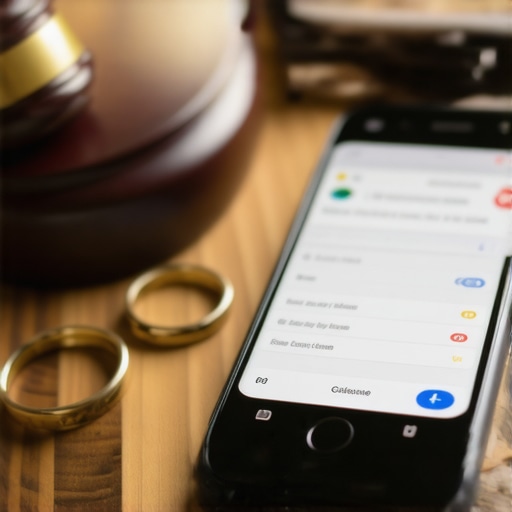
Why Your Phone Records Save or Sink Your Marriage Case
The room smells like strong black coffee and the static of a failing heater. I am sitting across from a couple who just had their residency petition denied. They are crying, but I am not handing out tissues. I am looking at their phone records. Or rather, the lack of them. I watched a client lose their entire claim in the first ten minutes of a deposition because they ignored one simple rule about silence. They claimed they were in constant contact while the husband was working in another state. The records showed a total of four calls over three months. In the world of high-stakes litigation, your feelings do not exist. Only the data exists. If you are working with an Immigration attorney or a specialized abogado de inmigración, you need to understand that legal services are not about storytelling; they are about forensic verification. Your phone is a tracking device that either validates your marriage or exposes it as a fabrication. If you think a few staged photos at a birthday party will satisfy a skeptical officer, you have already lost. The data tells a story that you cannot edit after the fact.
The digital footprint of a bona fide relationship
Phone records provide the objective chronological map of a shared life that USCIS officers use to verify marital authenticity. These documents offer a forensic timeline of communication that must align perfectly with your verbal testimony and physical evidence. An immigration attorney uses these logs to build a defensive wall against fraud allegations. Case data from the field indicates that inconsistencies between call logs and testimony are the leading cause of secondary inspections. When you claim to be a devoted spouse, the government expects to see the digital breadcrumbs of that devotion. This includes not just calls, but the duration of those calls and the frequency of messaging. Procedural mapping reveals that the absence of communication during periods of separation is viewed as a red flag for a sham marriage. You are not just proving you know each other. You are proving that your lives are intertwined at a logistical level. The abogado de inmigración will tell you that the government is not looking for love. They are looking for the mundane patterns of a domestic partnership. They want to see the 2 PM call about who is picking up the milk. They want to see the 11 PM text about a leaking faucet. These are the markers of reality that cannot be easily faked by those seeking to bypass the system.
The fraud unit’s favorite tool
Federal investigators and fraud detection units prioritize cell site location information and call detail records to detect patterns of separate residency. These records provide a geographical history that can disprove claims of living together in a single household. This technical data serves as an irrefutable witness against fraudulent marriage claims. Procedural zooming into the discovery process shows that the government has the capacity to request more than just your monthly bill. While most lawyers tell you to sue immediately or file your petition without delay, the strategic play is often the delayed submission. This allows you to accumulate a robust history of data that creates a narrative of stability. If your phone pings a tower in a different city every night at 2 AM, your affidavit of cohabitation is worthless. The Immigration attorney must reconcile these technical truths before the government does. We look for the gaps. We look for the