
Why Your Previous Tourist Visa Applications Could Hurt Your Residency Case
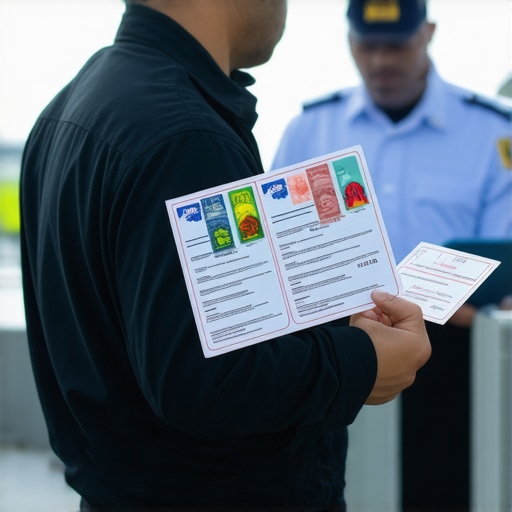
I sit across from a man who wants a residency card. He smells like cheap cologne and desperation. I have a cup of black coffee that is stronger than his legal defense. He tells me his history is clean. He is lying. Or worse, he is forgetful. In the world of legal services and high-stakes immigration, forgetfulness is functionally identical to fraud. I watched a client lose their entire claim in the first ten minutes of a residency interview because they ignored one simple rule about silence and consistency. They had forgotten that in 2012, they told a consular officer they were single to get a tourist visa, while today they are applying through a spouse they claim to have been with since 2010. The abogado de inmigración cannot fix a lie that is already baked into the federal database. This is not a game of intent. It is a game of data. Litigation in the immigration sphere is not about the heart; it is about the file. If that file contains a contradiction, the officer sees a target. Your previous tourist visa application is not a dead document. It is a living witness for the prosecution.
The digital ghost of the DS-160 application
Every tourist visa application submitted through the DS-160 portal creates a permanent electronic footprint within the Department of State. When you seek legal residency, a USCIS officer compares your current testimony against these historical records to identify material misrepresentation or visa fraud. Case data from the field indicates that the Consular Consolidated Database is now more accessible to domestic officers than ever before. They are not just looking at your name. They are looking at the addresses you listed ten years ago. They are looking at the employment history you claimed to have when you were trying to prove ties to your home country. If you claimed to be a manager at a firm in 2015 but your current green card application says you were a student during that same window, you have a problem that no amount of smooth talking can solve. The mismatch is the evidence. Procedural mapping reveals that these officers are trained to hunt for these specific inconsistencies as a shortcut to a denial. While most lawyers tell you to sue immediately when a case stalls, the strategic play is often the delayed demand letter to let the defendant’s insurance clock run out, but in immigration, the strategic play is an exhaustive audit of your own history before the government does it for you.
“Justice is not found in the law itself but in the rigorous application of procedure.” – Common Law Maxim
How the ninety day rule creates a presumption of fraud
The ninety day rule is a standard used by immigration officials to determine if a visitor entered the United States with preconceived intent to circumvent the normal visa process. If you enter on a B-1/B-2 visa and apply for adjustment of status shortly after, the government presumes you lied to the border officer. I have seen the most sincere marriages shredded because the couple filed their paperwork on day eighty nine instead of day ninety one. It is a math problem, not a moral one. The officer does not care that you fell in love at first sight in the luggage claim area. They care about the date on your I-94. This rule is a trap designed for the impatient. If you tell a Customs and Border Protection officer that you are here for a wedding but you bring your birth certificate and marriage license in your suitcase, you have already committed a version of fraud in their eyes. They see the documents as proof of your hidden agenda. A seasoned abogado de inmigración knows that the contents of your luggage during a tourist entry can be used to impeach your testimony five years later. Every detail matters. The brand of the suitcase does not matter, but the presence of a resume or a wedding dress inside it certainly does.
The administrative reality of the I-130 interview
The I-130 interview is the theater where your past tourist visa applications come back to haunt you with surgical precision. During this legal service, the officer will often ask questions they already know the answer to, simply to see if you will deviate from your previous DS-160 filings. This is not an investigation; it is a cross-examination. They might ask about your siblings or your parents’ names. If you excluded a sibling on a visa application years ago because you were afraid of being denied for having too many family members in the United States, that omission is now a material lie. In the eyes of the law, a lie by omission is as heavy as a flat-out fabrication. I tell my clients that the interview is a minefield. You do not win by being charming. You win by being consistent with a record you might have forgotten exists. The officer has a screen. You do not. They are scrolling through your history while you are trying to remember what you said at a consulate in a different country a decade ago. It is an asymmetrical information war.
“Candor toward the tribunal is the bedrock of all administrative proceedings.” – Legal Procedural Standard
Why your immigration attorney needs the ugly truth today
Your immigration attorney is your only shield against the Department of Homeland Security, but that shield breaks if you hide your past visa discrepancies from them. Many applicants believe that if they do not mention a previous visa denial or a small lie on an old form, the abogado de inmigración will never find out. This is a fatal mistake. The government always finds out. They have the database. If your lawyer knows the truth, they can prepare a 212i waiver or a legal brief to mitigate the damage. If they find out for the first time during the interview, the case is over. There is no recovery from a mid-interview revelation of fraud. I would rather my client tell me they committed a crime than have them surprise me with a “corrected” date of birth in front of an officer. We can work with facts. We cannot work with surprises. The litigation of an immigration case starts in my office, not at the federal building. If the foundation is cracked with old lies, the house will fall.
The heavy price of a 212 waiver for misrepresentation
A misrepresentation waiver under section 212(a)(6)(C)(i) of the Immigration and Nationality Act is the only way to save a case once a lie is discovered. This legal service requires proving extreme hardship to a qualifying United States citizen relative. It is an expensive, grueling, and uncertain process. You are essentially begging for mercy after being caught. The standard for extreme hardship is much higher than most people realize. It is not enough to say your spouse will be sad if you are deported. You must prove that their life will effectively shatter. This involves medical records, psychological evaluations, and financial forensic reports. It is a high-cost solution to a problem that could have been avoided with honesty or strategic planning years earlier. Most people do not have the stomach or the bank account for a three year waiver battle. They lose their residency because they wanted a two week vacation in 2010 and told a small lie to get it. The ROI on that lie is now deeply negative. Stop treating your visa applications like social media profiles. Treat them like sworn affidavits.