
Why your previous visa denials must be disclosed every time
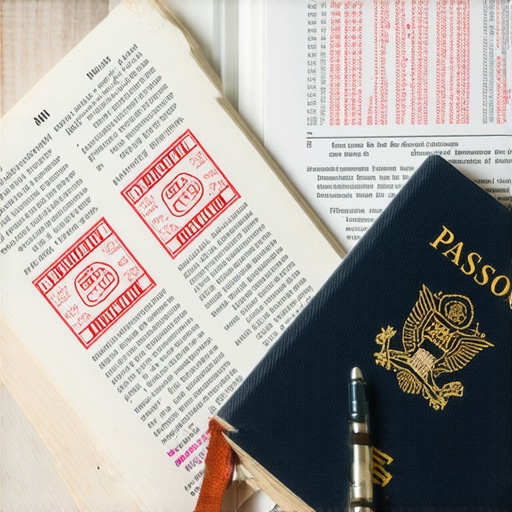
The air in the interview room always smells the same. It is a mix of industrial floor cleaner and the cold, metallic scent of high-stakes anxiety. I have sat across from enough consular officers to know that they are not looking for reasons to approve you. They are looking for a single reason to say no. I watched a client lose their entire claim to a future in the United States in the first ten minutes of a secondary inspection because they ignored one simple rule about silence. They thought a 15-year-old rejection for a student visa in a country halfway across the globe was a ghost that had stopped haunting them. It was not. The officer did not even ask if they had been denied. He simply waited for the applicant to sign the form that omitted the truth. That signature was the trapdoor. By the time the client realized the mistake, the record of material misrepresentation was already being typed into the system. There is no coming back from a 6C1 finding without a fight that costs ten times what the original application did. This is the reality of immigration. It is not about your dreams or your family. It is about the data integrity of a system that never forgets.
The shadow of a prior rejection
Visa applicants must disclose previous denials because federal databases like the Consular Consolidated Database (CCD) store records indefinitely. Failure to report a prior refusal constitutes material misrepresentation under Section 212(a)(6)(C)(i) of the Immigration and Nationality Act, leading to a permanent bar from the United States. Many believe that if a passport has expired or if they have changed their name through marriage, the digital trail vanishes. This is a dangerous fallacy. The biometric data collected at every embassy (fingerprints and facial recognition) ensures that your identity is tied to your previous interactions with the Department of State. When you sit down with an immigration attorney, the first question should not be about your future. It should be about your history. Legal services in this field are often focused on damage control because applicants treat the DS-160 like a social media profile rather than a sworn legal instrument. If you omit a denial, you are betting your entire future against an algorithm that is designed to find discrepancies. The risk is not just a second denial. The risk is a permanent ban for fraud. This is why transparency is the only viable strategy in high-stakes litigation.
“Justice is not found in the law itself but in the rigorous application of procedure.” – Common Law Maxim
The digital memory of the State Department
The Consular Consolidated Database functions as the primary repository for all visa records, including every interview note and refusal code ever issued to an individual. Officers access this system before you even reach the window, meaning they already know your history of denials before you speak. They are testing your honesty. When an officer asks if you have ever been refused a visa, they are not seeking information. They are assessing your credibility. If you lie, you provide them with a procedural gift. A denial under Section 214(b) for lack of immigrant intent is a temporary setback. You can reapply. However, a denial for misrepresentation is a permanent stain. Procedural mapping reveals that the most common reason for a permanent bar is the belief that a previous minor rejection will negatively impact a current high-value petition. In reality, the omission is always more damaging than the original refusal. While most lawyers tell you to sue immediately or file for a waiver, the strategic play is often a corrected filing before the interview even starts to preempt the charge of fraud. This requires a precise understanding of how the internal codes like 221(g) or 214(b) interact with your current eligibility.
What happens when the consul catches a lie
A finding of willful misrepresentation results in a lifetime ban from entering the United States under the Immigration and Nationality Act. This penalty applies regardless of the importance of the visa, whether it is for a corporate transfer or a family reunification. The moment the officer identifies a hidden denial, the interview shifts from an evaluation of your qualifications to a forensic audit of your integrity. The officer will rarely tell you they found the lie. They will ask questions around it, allowing you to dig the hole deeper. This is the psychological warfare of the consular post. As an abogado de inmigración, I have seen families torn apart because one spouse decided to hide a deportation from twenty years ago. The law does not care about the passage of time in these instances. The statute of limitations for fraud in an immigration context effectively does not exist. You are either admissible or you are not. If you are caught in a lie, your only recourse is a Form I-601 waiver, which requires proving extreme hardship to a qualifying U.S. citizen relative. This is a high bar that many simply cannot meet. It is the end of the road for the unprepared.
“The integrity of the immigration system rests upon the absolute candor of those seeking its benefits.” – Administrative Appeals Office Precedent
The legal mechanics of material misrepresentation
Materiality is defined by whether the hidden information would have been relevant to the officer’s decision to grant the visa. A previous denial is always considered material because it provides context for your current eligibility and immigrant intent. To fight a 6C1 charge, your immigration attorney must prove that the omission was not willful or that the fact hidden was not material. This is an uphill battle. The government does not need to prove you intended to deceive, only that you knew the information was false and you presented it anyway. Case data from the field indicates that the ‘I forgot’ defense is almost never successful. The DS-160 form is signed under penalty of perjury. That signature is a powerful piece of evidence against you. We examine the specific phrasing of your previous applications to see if there is any room for interpretation, but usually, the digital record is too clear. The strategy then shifts to mitigation and the pursuit of a waiver, which is a long, expensive process that can take years to resolve. You are paying for a mistake that could have been avoided with a single ‘Yes’ on a form.
How an abogado de inmigración salvages a record
An experienced attorney will conduct a deep dive into your history using Freedom of Information Act (FOIA) requests to see what the government sees before you file. This allows for the preemptive disclosure of prior denials with a legal brief explaining the circumstances. This is the strategic play. By disclosing the denial first and providing a context, you strip the consular officer of their ‘gotcha’ moment. You control the narrative. We often find that clients have ‘ghost’ denials in their system from errors at the border or technical glitches in old visa systems. An abogado de inmigración knows how to navigate these technicalities. We use the Foreign Affairs Manual (FAM) as our roadmap. The FAM dictates how officers must handle disclosures. If you disclose a denial and show that you now meet the requirements, the officer has much less leverage to deny you. Information gain in this process comes from knowing that the government’s data is not always perfect, but you cannot challenge its perfection until you have been honest about your own history. Litigation is about leverage, and you lose all leverage the moment you become a liar in the eyes of the law.
Why silence is your worst enemy
Silence or omission in an immigration filing is legally equivalent to an active lie if the intent is to gain a benefit. The law treats ‘willful blindness’ with the same severity as an outright fabrication on the application form. I tell my clients that the courtroom and the consular window are places where the truth is the only armor that works. Everyone wants their day in court until they see the jury selection process or the scrutiny of a federal officer. It isn’t about truth in a philosophical sense; it is about perception and the paper trail. If the paper trail says you were denied in 2005 and your form says you were not, the perception is that you are a fraud. The brutal truth is that many immigration consultants tell people to lie to get the fee and move on. Those people are not around when the permanent ban is issued. A real legal strategist prepares for the worst-case scenario. We assume the officer knows everything. We prepare the client to explain the previous denial with precision and without emotion. We turn a liability into a demonstration of honesty. That is how you win the game of legal chess. You don’t win by hiding your pieces. You win by positioning them so that the opponent has no move left but to approve you.