
How to Handle an Aggressive CBP Officer at the Airport
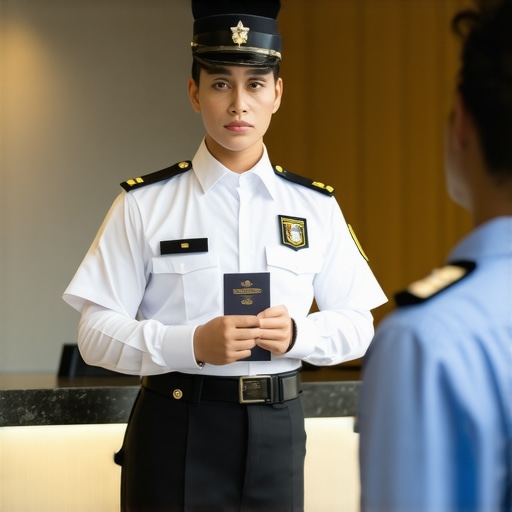
The booth is a psychological pressure cooker
Aggressive CBP questioning at the airport involves high-pressure tactics where federal agents utilize psychological intimidation and legal technicalities to force admissions that can lead to immediate expedited removal. An experienced immigration attorney understands that these interactions are not casual conversations but formal administrative inquiries where every word is recorded as a permanent statement. I watched a client lose their permanent residency in ten minutes of a secondary inspection because they ignored one simple rule about silence. They thought that being friendly and over-explaining their travel history would win over the officer. Instead, they inadvertently admitted to a technical violation of their stay that was twisted into a claim of fraud. The smell of ozone from the nearby electronics and the sharp scent of industrial mint cleaner in those interrogation rooms are designed to keep you on edge. In the legal world, silence is not just golden; it is a tactical shield. Procedural mapping reveals that the moment an officer raises their voice, they are likely searching for a justification to move you from primary to secondary inspection. This is the first stage of the trap. You must remain cold and clinical. Do not offer information. Do not volunteer details about your family, your finances, or your feelings. Answer the question asked and nothing more. If they ask how long you were gone, give the number of days. Do not explain why the flight was delayed or who you met for coffee. The government is looking for inconsistencies, not clarity. Your goal is to exit that booth with your passport in hand and your status intact. Case data from the field indicates that officers use aggression to bypass your natural defenses, hoping you will stumble into a contradictory statement that provides them with probable cause for a deeper search.
Silence as a strategic legal weapon
Invoking your right to remain silent or requesting an immigration attorney during an airport interrogation is a protected action that prevents the creation of an unfavorable administrative record used in deportation proceedings. While the border has different constitutional standards, your verbal restraint prevents the officer from gathering the evidence needed for a summary exclusion. Many travelers believe they have no rights at the border. This is a dangerous misconception. While you are technically in a legal limbo during the inspection process, you are not required to provide the rope used to hang your case. When the questioning turns from administrative to accusatory, the strategic play is often to stop talking entirely. I have seen countless cases where a simple demand for legal services stopped an officer in their tracks. They might tell you that you have no right to a lawyer at this stage. Technically, for non-citizens, the right to counsel is restricted during initial inspection, but demanding to speak with an abogado de inmigración puts the officer on notice that you know the law. It creates a pause in the momentum of the interrogation.
“Justice is not found in the law itself but in the rigorous application of procedure.” – Common Law Maxim
This procedural rigor is your only friend when a CBP officer is hovering over you. The objective is to avoid signing any document, specifically a Form I-275, which is a withdrawal of your application for admission. Signing this document is often a one-way ticket to a five-year ban from the United States. They will tell you it is the easy way out. It is not. It is a surrender of your rights. Procedural mapping shows that those who refuse to sign and instead demand a hearing before an immigration judge often have a much higher success rate in maintaining their status long-term.
The myth of the voluntary search
Consenting to a search of your electronic devices or luggage without a specific warrant is a voluntary waiver of privacy that allows CBP agents to scrub your digital life for minor discrepancies in your immigration history. Legal experts advise that while agents have broad search powers, your verbal non-consent creates a necessary record for future litigation in federal court. Do not be fooled by the officer who asks if they can just take a quick look at your phone. If they had the absolute authority and a clear reason to do it, they wouldn’t always ask for your password. By giving them the code, you are opening a door that can never be closed. They will look at your text messages, your social media, and even your banking apps. They are looking for evidence of unauthorized work, intent to stay permanently on a non-immigrant visa, or any association they deem suspicious.
“An attorney’s presence at the border is often the only barrier between a lawful resident and an extrajudicial removal.” – American Bar Association Journal
If they demand your phone, you can state clearly that you do not consent to the search but will comply with their orders. This distinction is vital. It allows your Immigration attorney to later argue that the evidence was obtained through coercion. Most travelers think that being helpful will speed up the process. The reality is that the more data you provide, the more time they spend looking for a reason to deny you entry. While most lawyers tell you to cooperate fully, the strategic play is often a cold, formal compliance that provides the absolute minimum amount of data required by law. This is the difference between an amateur traveler and someone who understands the stakes of immigration law.
The high cost of a signed confession
Signing a sworn statement under duress at the airport constitutes a binding legal admission that can be used to permanently bar an individual from the United States under various sections of the Immigration and Nationality Act. These statements are often drafted by the officers themselves and may not accurately reflect the actual testimony of the individual being questioned. I recently spent 14 hours deconstructing a contract of admission that a client signed while exhausted after a twenty-hour flight. The officer wrote down that the client intended to work illegally, even though the client never said those words. Because the client signed it, the court viewed it as a confession. Never sign anything you have not read three times. If you do not understand a word, do not sign it. If the officer refuses to let you call an abogado de inmigración, keep your hands in your lap. They cannot force your hand to move the pen. They will threaten you with jail. They will threaten to call your employer. These are often bluffs used to close a file quickly. The administrative burden of a formal removal is much higher for the officer than a voluntary withdrawal. They want you to make it easy for them. Do not make it easy. The documentation they generate at the airport becomes the foundation of your immigration file for the rest of your life. Every Immigration attorney has seen a case where a twenty-year-old mistake at a port of entry came back to haunt a citizenship application decades later. The law is a long game. You are not just trying to get through the airport today; you are protecting your right to be in this country ten years from now. Use the silence. Use the procedure. Stand your ground even when the air in the room feels heavy with the threat of removal. This is how you survive the border.