
The Danger of Using a Travel Document While Your Residency is Pending
The smell of stale black coffee is the only thing keeping this office grounded while I review the wreckage of another ruined immigration file. People treat travel documents like a golden ticket to see family or take a beach holiday while their Green Card is processing. It is not. It is a procedural gamble that most people lose before they even reach the airport gate. I recently spent 14 hours deconstructing a contract and a travel history that was designed to be unreadable only to find the one clause that changed everything for a client who was stuck in a third country for six months. They thought their lawyer had cleared them. They were wrong. The law does not care about your intentions. It cares about the ink on the page and the discretion of a Customs and Border Protection officer who might be having a bad day.
Why your travel document is a ticking time bomb
Traveling on a temporary document while residency is pending creates an immediate risk of being barred from reentry. Most applicants believe that having an approved Form I-131 means the government has granted them permission to return safely to their homes. This is a lethal misunderstanding of federal immigration law and the power of the Department of Homeland Security. An immigration attorney with actual trial experience will tell you that Advance Parole is merely a request to be paroled into the country. It is not a guarantee of admission. If you have any history of unlawful presence, even a minor oversight in your previous filings, that document becomes a lead weight. You leave the country and the 3 year or 10 year bar triggers the moment you step onto international soil. Your legal services provider should have told you this. If they did not, they are practicing malpractice by omission.
“Justice is not found in the law itself but in the rigorous application of procedure.” – Common Law Maxim
The nightmare of the I-131 fine print
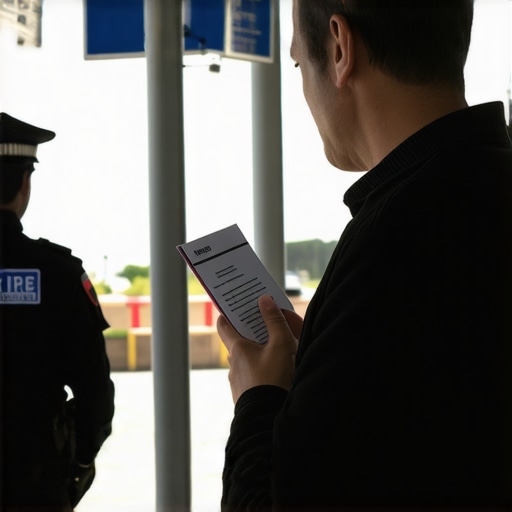
Advance Parole does not guarantee admission into the United States under federal law. The document itself contains warnings that most people ignore because the font is small and the language is dense. You are essentially asking the government for a favor. When you present that paper at a Port of Entry, you are subject to a full inspection. This is not the standard lane. This is secondary inspection. This is where they pull your entire history. If you are an abogado de inmigración worth your salt, you prepare your client for the possibility that they will be sitting in a windowless room for five hours while an officer scrutinizes every visa application they have ever signed. One inconsistency is all it takes. The immigration process is binary. You are either in compliance or you are a target for removal. There is no middle ground here. There is no mercy for the uninformed.
What the border agent sees that you don’t
CBP officers have broad discretionary power to deny entry to non-citizens despite valid travel papers. They are looking for more than just a valid signature on your I-131. They are looking for the ‘ghost’ in your file. Did you work without authorization three years ago. Did you overstay a tourist visa by ten days in 2012. These are the details that surface during a secondary inspection triggered by a residency-pending travel request. The officer sees your pending I-485 and they see a person who has already expressed an intent to stay. If they find any reason to find you inadmissible under Section 212 of the Immigration and Nationality Act, they will not let you back in. You will be stuck at a transit hub or sent back to your home country while your life in the United States remains locked behind a border you cannot cross. This is the reality of immigration litigation. It is a cold clinical assessment of risk versus reward.
“The right of an alien to enter is not a matter of right but a matter of grace granted by the sovereign.” – Standard Jurisprudential Doctrine
How a single flight ruins a ten-year case
Leaving the country while an Adjustment of Status is pending can result in the automatic abandonment of your application. Unless you have a very specific type of underlying visa like an H1B or an L1, the act of departing the United States without the proper sequence of approvals kills your case on the spot. I have seen families destroyed because they wanted to attend a wedding or a funeral. They spent a decade building a life and a business only to have it wiped out by a five hour flight. The legal services you hire must do more than fill out forms. They must map the terrain. They must identify the ambush points. If they are just a settlement mill, they will tell you it is fine. It is rarely fine. The strategic play is often to stay grounded. You wait. You let the clock run out on the government. You do not give them an excuse to close your file because you were impatient for a vacation.
Why your immigration attorney is sweating during your vacation
Attorneys know that any travel during a pending residency case is a high-risk maneuver with zero margin for error. Every time a client calls me from the airport, my heart rate spikes. Not because I do not trust my work, but because I do not trust the system. The system is designed to find reasons to say no. The abogado de inmigración knows that once you leave, you lose the protection of being physically present. You lose the ability to argue your case in front of an immigration judge if things go wrong at the border. You are at the mercy of the administrative state. We provide immigration advice based on the worst case scenario because the worst case scenario is what happens when you are unprepared. Do not be the person who loses their residency because they did not understand the difference between a travel document and a right to return. The final verdict is simple. If you do not have to travel, do not. Stay home. Protect your status. Win the long game.